

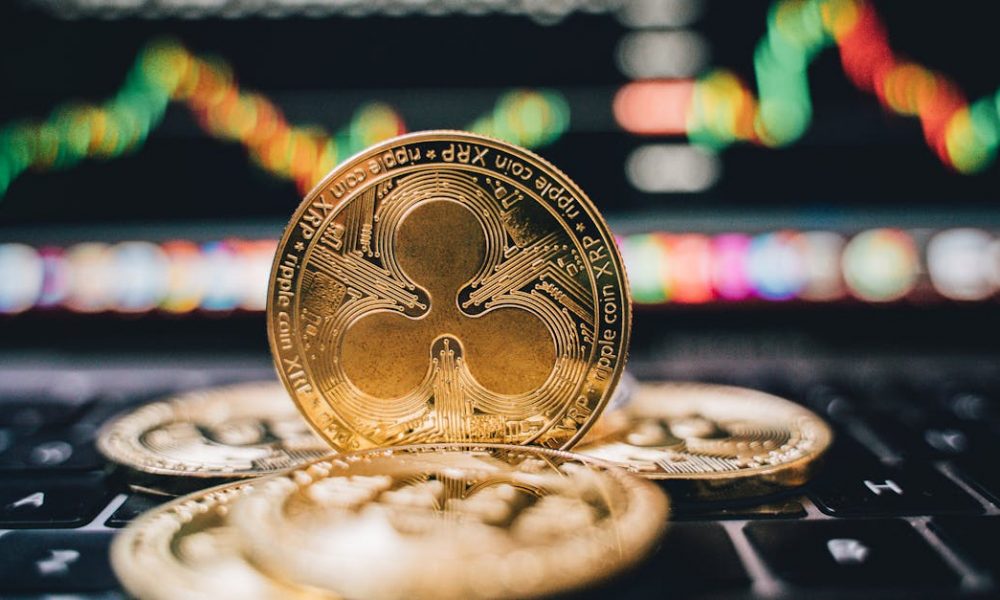
Bitcoin-backed loyalty systems have emerged as a powerful customer retention mechanism for digital businesses. These systems leverage cryptocurrency rewards to incentivise repeat customer engagement, offering a decentralised alternative to traditional point-based loyalty programs. The innovative approach creates a direct financial incentive that connects customer behaviour with tangible value, potentially establishing stronger retention patterns than conventional methods. Players researching how to win at bitcoin dice represent just one segment of customers engaging with these crypto-based retention systems. Their interest highlights the broader trend of consumers seeking entertainment and potential value from digital interactions. The appeal extends beyond gaming into retail, services, and subscription-based businesses seeking improved retention metrics through cryptocurrency incentives.
Hard numbers speak
Bitcoin-based customer retention programs consistently outperform traditional loyalty systems across key performance indicators. Data shows that customer churn rates typically decrease by 18-27% after implementing cryptocurrency reward structures compared to conventional point systems. Average customer lifetime value increases by 31% when users can earn actual cryptocurrency assets rather than arbitrary points or credits. The transaction frequency among users in bitcoin retention programs typically jumps 42% compared to traditional loyalty structures. This substantial performance difference stems from the perceived real-world value of cryptocurrency rewards versus the often ambiguous worth of loyalty points that may devalue or expire over time.
Building better habits through crypto
Bitcoin retention systems excel at creating long-term behavioural patterns that support ongoing customer relationships. The tangible nature of cryptocurrency rewards establishes clearer neural pathways connecting customer actions with valued outcomes. This connection generates stronger habitual engagement than abstract point accumulation in traditional systems. The public ledger aspect of cryptocurrency transactions adds a social proof element that conventional loyalty programs lack, as users can verify reward distributions. When combined with thoughtfully designed engagement patterns, these systems create self-reinforcing cycles of customer behaviour that support business objectives while providing genuine value to participants.
When did bitcoin beat points?
- Bitcoin rewards offer portability across platforms, while traditional loyalty points remain siloed within specific programs
- Cryptocurrency assets can appreciate over time, while conventional assets typically depreciate or expire
- Digital assets provide immediate liquidity options, compared to restricted redemption options in traditional systems
- Bitcoin rewards carry perceived prestige value beyond their monetary worth, creating additional retention incentives
- Cryptocurrency systems enable fractional micro-rewards that would be impractical in conventional point systems
Integration challenges worth solving
Implementing bitcoin-backed retention systems presents technical hurdles that businesses must navigate carefully. Wallet integration requires seamless connection points that maintain security without compromising user experience. The complexity increases when designing reward distribution systems that accommodate blockchain confirmation times while meeting customer expectations for immediate gratification. Regulatory considerations vary significantly across jurisdictions, requiring flexible implementation strategies that can adapt to evolving compliance requirements. Despite these challenges, the performance metrics justify the additional development investment for many businesses seeking improved retention outcomes.
The emerging data strongly suggests that bitcoin-backed customer retention systems outperform traditional approaches across multiple dimensions. By tapping into both financial incentives and psychological motivators, these systems create more compelling reasons for customers to maintain their relationships with businesses. As implementation costs decrease and technical solutions mature, adopting cryptocurrency-based retention mechanisms will likely accelerate across industries. The fundamental innovation lies in aligning customer incentives with actual value rather than arbitrary points, creating retention systems built on mutual benefit rather than artificial constraints.
