

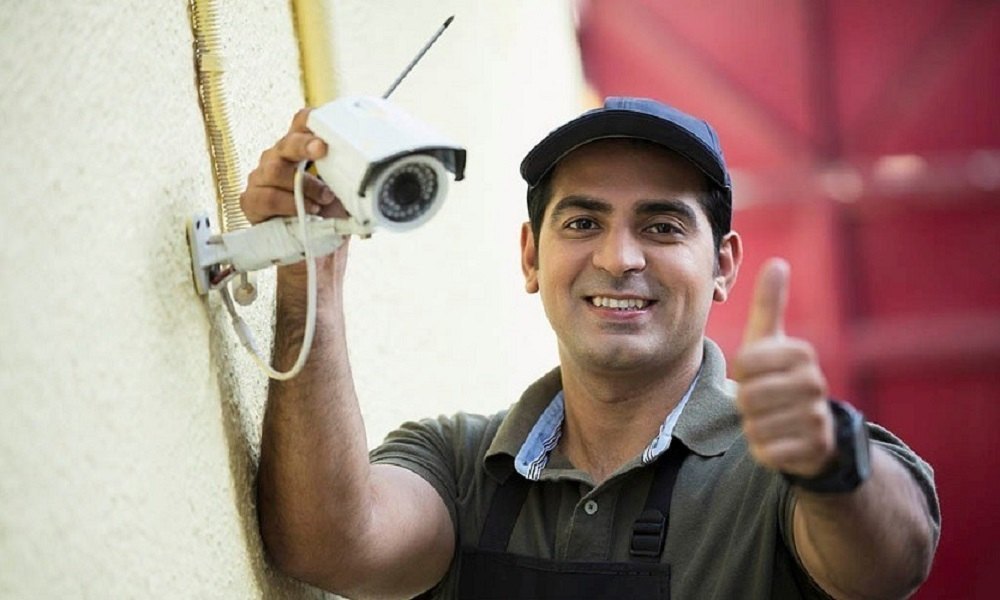
When it comes to protecting your home or business, CCTV installation is one of the most effective deterrents against crime. But installing cameras is only part of the job — where you place them plays a crucial role in how well they perform. Poor positioning can leave you with blind spots, missed footage, or limited deterrent value. So, where should you install your CCTV cameras to get the most out of your system?
Here are expert tips on where to place your cameras for maximum security and peace of mind.
Cover Main Entry Points
Start by covering the most obvious access routes. These are typically your front door, back door, and any side entrances. Many burglars use these direct entry points, often during the day when homes are empty. A camera placed above or near these doors — ideally at a downward angle and out of easy reach — can clearly capture anyone entering or loitering around.
For homes, the front door should always be a priority. For businesses, it’s essential to monitor not only the main customer entrance but also any staff access points, fire exits or delivery doors.
Monitor Driveways and Car Parks
Your driveway or parking area is another hotspot worth monitoring. Not only does it allow you to keep an eye on vehicle activity, but it also records anyone approaching the property — often before they reach the door. A well-placed camera here can catch trespassers early and help identify number plates or delivery drivers if needed.
If you have a garage or carport, be sure to position a camera to cover that too, especially if tools, bikes, or other valuables are stored inside.
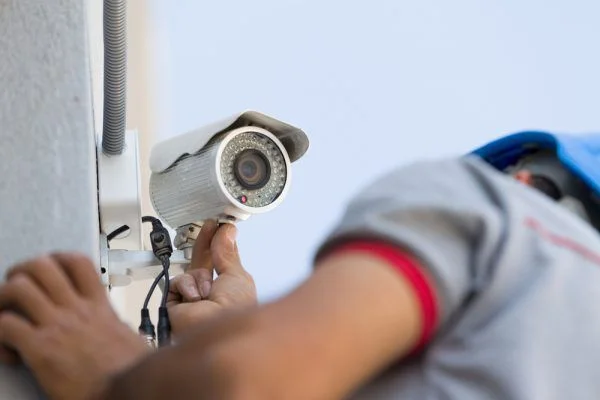
Watch Over Windows and Vulnerable Ground Floor Areas
Windows, especially those that aren’t easily visible from the street, are common entry points for intruders. Rear-facing ground floor windows and patio doors are particularly vulnerable. Mounting a camera that overlooks these spots — either from a high exterior wall or angled from another part of the property — can help fill in these weak spots.
For garden-facing windows, a rear garden camera can offer an extra layer of security and help deter prowlers.
Don’t Forget Inside Coverage
While outdoor cameras are your first line of defence, indoor cameras have their place too. Hallways, entryways, and large open-plan living areas can be useful spots to record any activity if someone does manage to get inside. In retail or office environments, positioning cameras above tills, stockrooms or server areas helps prevent internal theft or misuse.
For privacy reasons, avoid installing cameras in bedrooms or bathrooms — and always inform household members or staff where cameras are located.
Aim for Height and Angle
Wherever you place your cameras, height and angle matter. Mount them high enough to avoid tampering, but not so high that facial details are lost. Angling the camera slightly downward gives better coverage and detail than mounting it flat or too steeply.
Final Thoughts
A well-designed CCTV system is all about coverage and clarity. Focus on entrances, driveways, vulnerable windows, and internal high-risk areas. If you’re unsure about the best placement, a professional CCTV installation can carry out a site survey and help you achieve maximum protection with minimal blind spots. Remember — it’s not just about having cameras, it’s about placing them smartly.
