

Key Takeaways
- Understanding the different types of breast plates and their intended uses is crucial for making an informed choice.
- Material selection impacts comfort, appearance, and durability.
- Proper sizing and fit are essential to ensure a natural look and feel.
- Maintenance and care extend the lifespan of your breastplate.
Introduction
Breastplates serve a wide range of purposes, from medical necessity to embracing personal identity and performance. Finding the right option can make a significant difference in your confidence and experience, whether you are looking for realism, comfort, or a dramatic transformation. If you are searching for truly tailored solutions, custom breast plates offer a superior level of personalization and comfort, ideal for specific needs or requirements.
With countless products available, the process can quickly become overwhelming. Knowing what to look for in terms of types, materials, and sizing is essential. Customization, fit, and purpose will all impact your satisfaction, so it’s crucial to make an informed choice from the start. This guide provides the key insights required to help you confidently select the breastplate that best meets your needs.
Types of Breastplates
The breastplate market has evolved to accommodate the unique needs of a diverse audience. Understanding the common types can help steer you toward the correct solution:
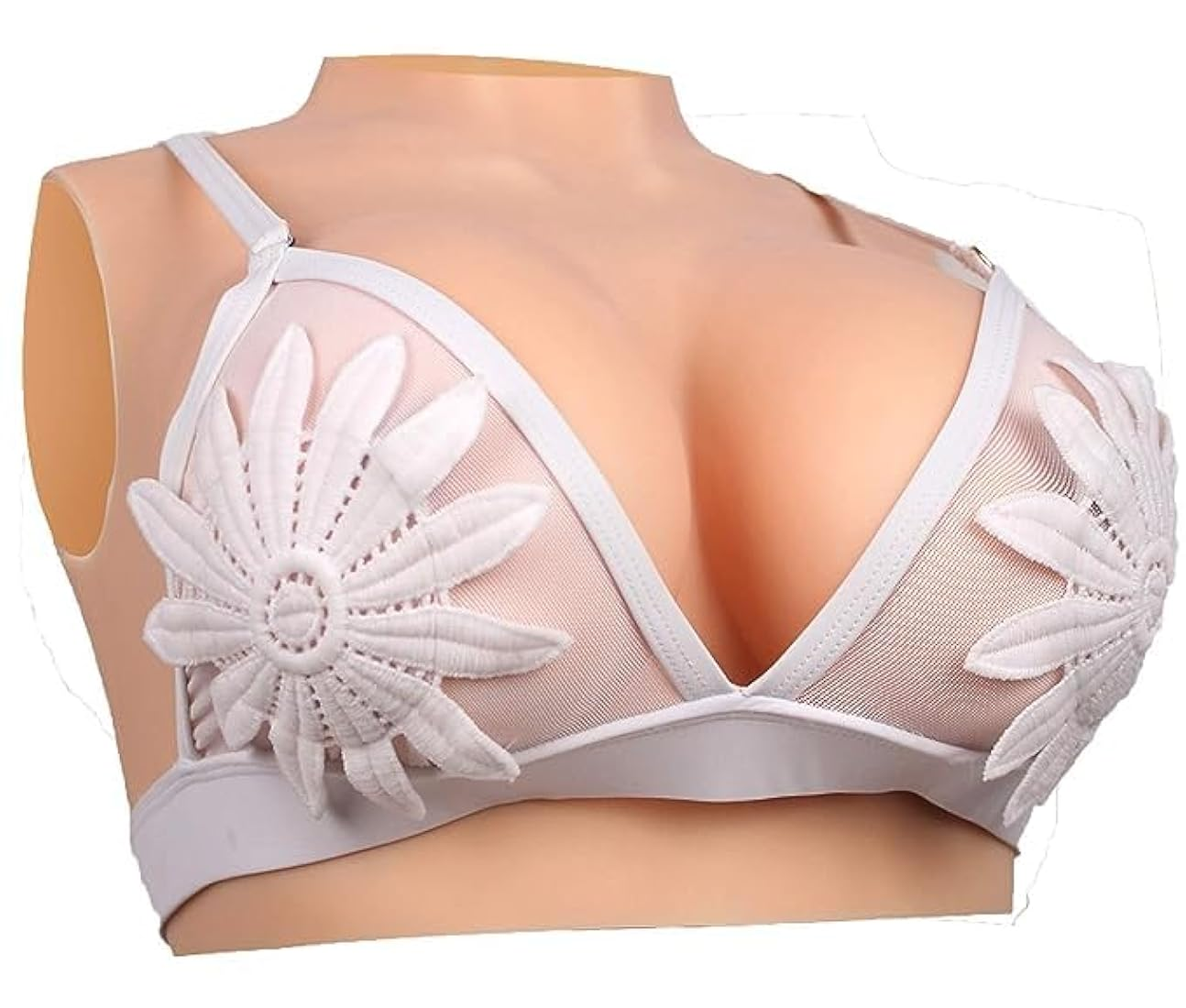
- Silicone Breast Plates: These offer incredibly realistic movement and skin-like texture and are commonly used by those wanting a natural look, including performers and everyday wearers.
- Foam Breast Plates: Featuring a lightweight and breathable build, foam options are sought after for comfort and affordability, especially among beginners or casual users.
- Custom Breast Plates: Meticulously created to match your unique contours, these provide the highest degree of realism and are perfect for anyone prioritizing a seamless fit.
The variety ensures that there is a product suitable for virtually every situation, from medical scenarios to theatrical performances.
Material Considerations
The materials used in breastplates significantly influence not only their look and feel but also their durability and maintenance. The two most common materials are silicone and foam:
- Silicone: Praised for closely mimicking the feel and appearance of real breast tissue, silicone is favored for realistic results. However, it can be heavier and may be less breathable during extended wear.
- Foam: A much lighter alternative, foam breastplates are great for those seeking all-day comfort. While not as lifelike as silicone, advancements in foam manufacturing continue to narrow the gap.
Your ideal material choice will depend on whether your priority is realism or long-term comfort. For advice on selecting breathable, hypoallergenic options, consider reviewing guides from reputable authorities like Transcending Effects.
Sizing and Fit
Selecting the correct size is vital for achieving a natural and comfortable result. Here’s how to maximize your fit:
- Take accurate body measurements, focusing on your chest circumference and shoulders.
- Choose your desired cup size by considering your current body shape and proportions.
- Always consult manufacturer sizing charts, which may differ significantly by brand.
Many brands now offer sizing calculators and visual guides, but for best results, consult with professional fitters if possible, particularly if you have unique body proportions or post-surgical needs.
Purpose and Usage
The best breast plate for you will be one that fits your intended use. Determining your main purpose will help refine your search:
- Medical Use: Individuals recovering from mastectomy often need specialized prosthetic breast plates designed to restore body image while ensuring gentle contact with sensitive areas.
- Performance: Drag artists, actors, and cosplayers often select products designed for exaggerated or stylized appearances, as well as durability for regular wear and high-mobility routines.
- Daily Wear: For those looking to enhance their silhouette every day, lightweight, durable plates that are easy to clean and wear under clothing are ideal.
Knowing your needs early can save time, money, and effort and help ensure satisfaction with your purchase.
Maintenance and Care
Proper maintenance ensures that your investment lasts as long as possible. Build these habits into your care routine:
- Clean your breast plate after each use with gentle soap and lukewarm water to remove oils, sweat, and other residues.
- Always store plates in a cool, dry place, ideally in their original packaging, away from sunlight, to avoid material breakdown.
- Be cautious with sharp objects, rings, or rough handling, particularly with silicone products, as tears and punctures are difficult to repair.
For more comprehensive tips on breast plate care and hygiene routines, Transcending Effects provides a reliable resource.
Budget and Quality
Pricing varies significantly across types and brands. Here’s how the most common options stack up:
- Budget Options: Foam breast plates are the least expensive and are suitable for light or occasional wear.
- Mid-Range: Standard silicone breast plates provide a compelling balance between price, comfort, and realism.
- High-End: Custom solutions, while costly, offer unmatched fit, realism, and long-term satisfaction.
Decide which features matter most (appearance, comfort, durability) and weigh them against the available budget to avoid overspending on unnecessary enhancements.
Consulting Professionals
Choosing the right breast plate is a personal journey, and expert guidance can expedite the search. Working with certified fitters, consulting medical professionals, and using community forums can provide personalized recommendations and real-world insights. These professionals ensure the breast plate is comfortable and confident, enhancing confidence in daily life. Prioritizing medical, expressive, or performance-based needs and leveraging insights from experts can help find a product that fits seamlessly into your life.
