

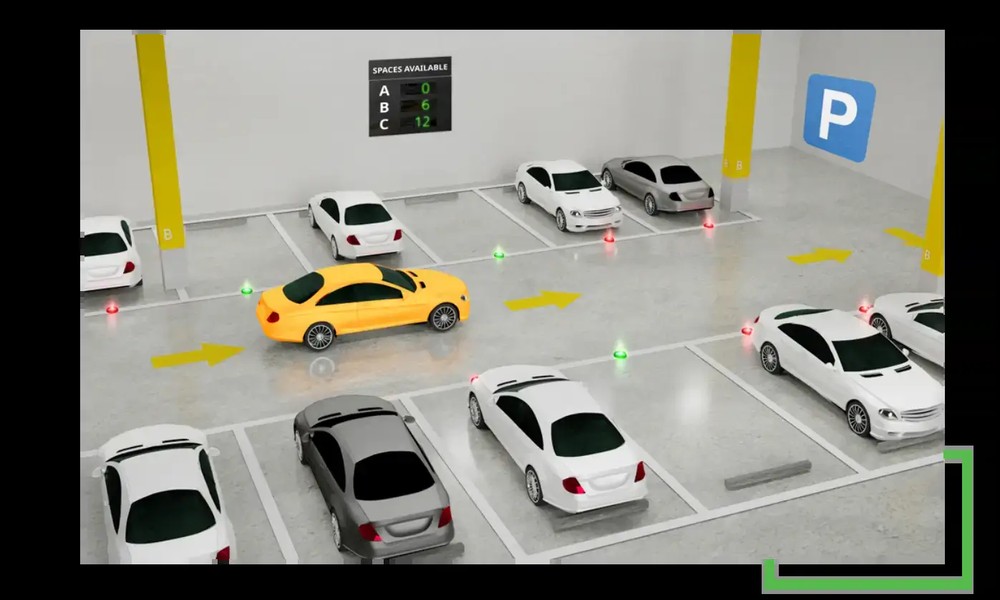
Urban properties handle increasing vehicle movement throughout demanding commercial environments, while operational teams require smoother coordination during busy customer access periods. Reliable parking management companies now support consistent facility organization standards, encouraging businesses toward practical systems reducing congestion across active premises. Growing visitor expectations additionally influence property owners seeking structured supervision across entrances, exits, and shared parking sections today.
Changing Expectations Around Property Access
Visitors expect organized entry arrangements before entering commercial buildings today because frustration usually increases whenever navigation routes appear poorly maintained outside. Meanwhile, corporate administrators prioritize stronger traffic coordination throughout crowded complexes, since structured guidance reduces confusion surrounding restricted loading and parking zones.
Better circulation also supports positive impressions among tenants and visiting clients, especially during larger gatherings attracting concentrated vehicle movement throughout surrounding commercial areas.
How Operational Efficiency Improves Daily Performance
Large facilities regularly experience overlapping arrivals during concentrated working schedules, creating unnecessary delays whenever coordination remains inconsistent across active parking sections. Support teams therefore monitor occupancy patterns carefully while maintaining smoother circulation throughout busy premises daily.
Real-time supervision additionally improves allocation during temporary maintenance requirements nearby, helping operational departments avoid repetitive disruptions affecting deliveries and scheduled appointments.
- Controlled entrances reduce unnecessary traffic accumulation
- Scheduled monitoring supports safer pedestrian movement
- Organized layouts simplify commercial vehicle positioning
- Timely assistance improves visitor navigation experiences
Consistent planning eventually strengthens broader operational reliability throughout shared developments because property owners avoid repetitive disputes involving unauthorized vehicle placements and restricted access complications.
Can Technology Simplify Parking Coordination Processes?
Digital platforms increasingly support streamlined vehicle tracking across modern business districts through automated systems identifying available spaces during peak operational hours daily. Security personnel meanwhile receive immediate alerts regarding unauthorized parking activities, while integrated tools simplify reporting responsibilities for administrative management departments. Because occupancy data remains accessible, future planning decisions become increasingly practical for expanding commercial properties managing fluctuating transportation requirements regularly.
Improved Safety Standards Across Commercial Locations
Busy environments require stronger oversight protecting employees, customers, and delivery personnel because clearly marked zones reduce accidents involving reversing vehicles near entrances. Additionally, trained supervisors identify hazards before larger operational complications emerge nearby, ensuring emergency access routes remain unobstructed throughout demanding schedules. Safer surroundings naturally encourage stronger confidence among tenants occupying commercial properties, particularly within high-traffic developments handling continuous visitor movement every day.
- Designated pathways improve pedestrian travel consistency
- Entry supervision discourages unauthorized vehicle access
- Clear signage supports faster directional understanding
- Organized circulation reduces unnecessary roadside stopping
Reliable safety practices eventually strengthen reputational confidence among returning visitors while supporting smoother interactions throughout surrounding commercial spaces consistently.
Why Financial Planning Benefits From External Support
Unexpected congestion frequently creates indirect operational losses across commercial establishments today because delayed deliveries affect scheduling accuracy throughout service-focused environments significantly. External specialists therefore provide structured oversight supporting predictable resource allocation strategies for property administrators managing expanding customer volumes regularly.
Many parking management companies additionally customize solutions matching individual property requirements, making long-term planning easier for businesses handling changing transportation demands across competitive urban locations.
Future Priorities Shaping Commercial Parking Operations
Commercial developments continue adapting alongside evolving transportation and mobility expectations worldwide as electric vehicles increasingly influence infrastructure planning across newly designed urban properties.
Shared transportation services also reshape parking demand throughout business-centered districts gradually, encouraging organizations toward flexible support systems maintaining organized daily operations. Forward-thinking businesses now value adaptable coordination supporting future operational requirements because practical oversight strengthens customer convenience alongside broader property performance.
