

Before paying for more traffic, check what happens to the people already trying to hire you. A hidden phone number, missed call, or unclear next step can waste a good inquiry. Follow a customer’s path from the first visit to a confirmed appointment. Then fix the points where useful demand gets lost.
Make the next step clear on your website
Open your website on a phone and pretend you need help today. Check whether you can quickly find the right service, the area covered, and a working call button. Put a clear booking or contact option on each service page, rather than making visitors return to the home page. Explain any service call fee or estimate process accurately so people know what they are requesting. For HVAC campaigns, service-focused landing pages should connect each ad to the same repair or installation offer.
Keep forms short, but collect enough detail to route the request. For a garage door company, a name, contact method, address, and brief problem description may be enough to start. State whether the form requests a callback or confirms an actual appointment. Test the form and phone links after website changes, and make sure staff receive the details without copying them from several inboxes.
Give every inquiry an owner
Set a response target your team can meet during business hours and track the actual time it takes. An instant receipt message is helpful, but it is not the same as a useful human reply. Tell customers when to expect contact and who to call for urgent help. Avoid advertising round-the-clock service if no one can handle those requests.
Route calls and forms to a named person or shared queue with clear backup coverage. Give the backup enough context to help without asking the homeowner to start over. Review unanswered calls and untouched requests during the day, not just at closing time. If one employee is handling dispatch and incoming sales calls, adjust coverage around the periods when both tasks pile up.
Train your office team to help people book
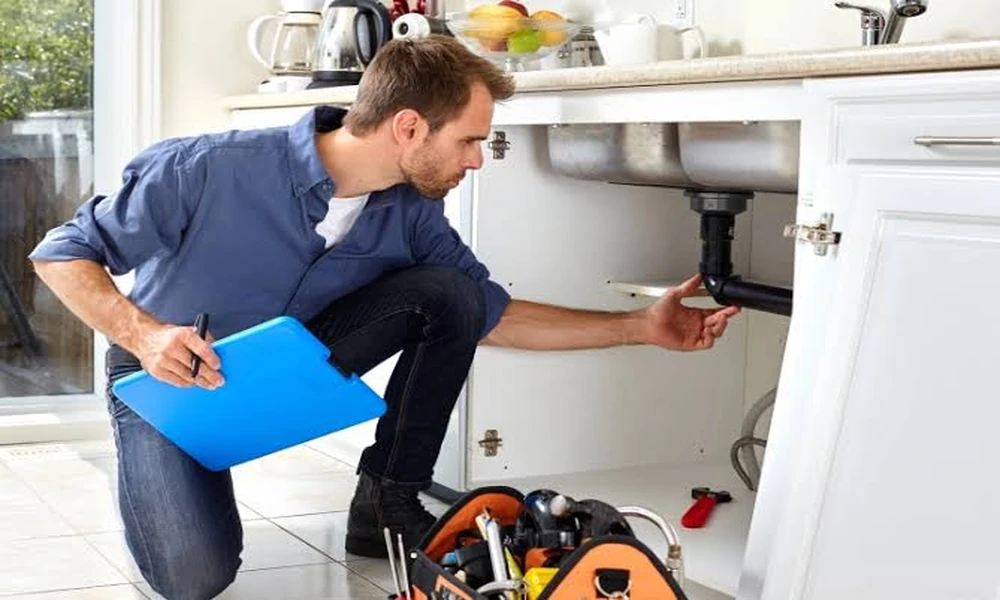
Give customer service representatives a simple call guide rather than a rigid sales script. They should confirm the service needed, check the address, explain the visit, and offer a suitable next step. For a drain complaint, the aim is to understand the request and book approved work, not diagnose it over the phone. Keep safety concerns and unusual requests within a clear handoff process.
Practice real situations during short coaching sessions. One caller may worry about the visit fee, while another needs an arrival window that fits work hours. Train staff to answer honestly, explain known limits, and offer choices that exist on the schedule. When reviewing recorded calls, follow your recording and privacy policy and focus on specific behaviors that staff can improve.
Make booking easy and recover missed chances
Let homeowners choose from the contact and booking options your office can reliably support. If you offer online scheduling, connect it to real capacity and set rules for job length, travel, and crew skills. Send a clear confirmation with the date, arrival window, and a way to reschedule. If staff must approve a request first, label it as pending rather than confirmed.
Build a missed-call recovery process with a clear owner and a polite callback. Use text only when your consent process and messaging rules allow it, and stop when someone declines. Track qualified inquiries, booked appointments, completed jobs, and the reasons people did not book. If callers are suitable but slots are scarce, fix capacity before blaming the website or the person answering the phone. Review one weak point at a time so you can tell which change helped.
