

Key Takeaways
- Running a live food station in an office environment involves logistical planning beyond standard buffet setups.
- Space limitations, ventilation requirements, and crowd management can affect operational flow.
- Timing coordination is critical, especially during lunch hours or tightly scheduled corporate events.
- Food safety, equipment transport, and power access remain common concerns for vendors.
- Many providers offering corporate catering now adapt their live station formats to suit office buildings and workplace regulations.
Introduction
Interactive dining setups have become increasingly common during office events, staff appreciation lunches, networking sessions, and product launches. Instead of static buffet trays, many companies now request a live food station where chefs prepare meals on-site. These setups create engagement and provide freshly prepared dishes, but they also introduce operational challenges that standard catering arrangements may not face.
Office buildings are designed primarily for work activities rather than food preparation. Due to this, caterers must work around space restrictions, building regulations, and limited preparation areas. Providers involved in corporate catering in Singapore often need to coordinate closely with office management teams before an event takes place.
Limited Space and Office Layout Constraints
One of the biggest operational issues involves physical space. Many offices do not have dedicated event areas large enough to accommodate cooking stations, queue lines, and guest movement at the same time. Pantry spaces are often too small, while open-plan offices may create congestion during peak meal periods.
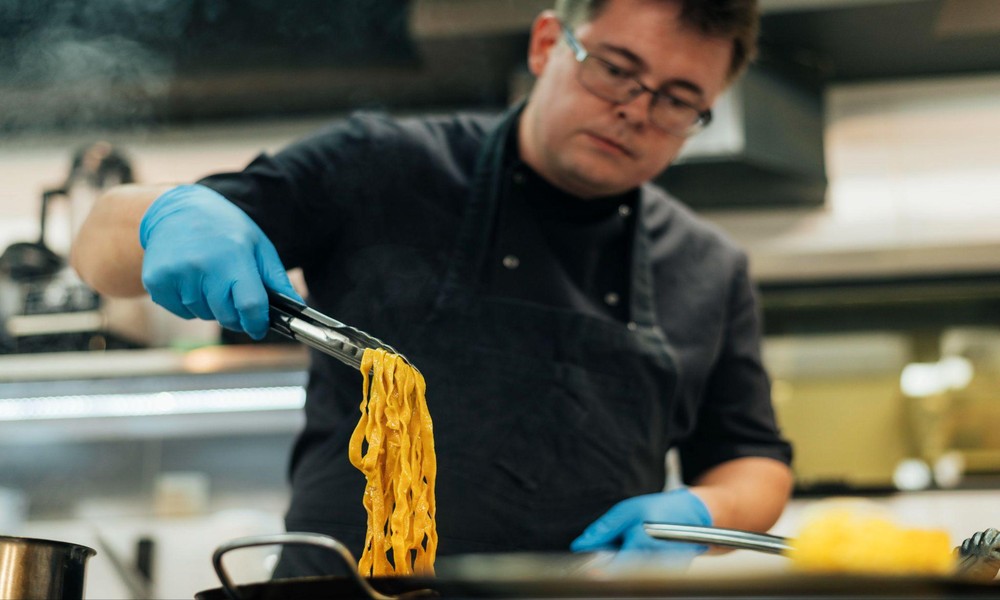
A live food station also requires sufficient clearance for cooking equipment, serving counters, and food storage. Certain stations, such as grilled items or noodle preparation counters, may involve additional equipment that occupies more floor space than expected. That said, without proper planning, employees may struggle to move around comfortably during the event.
The placement of stations also affects crowd flow. If multiple stations are positioned too closely together, queues may overlap and disrupt nearby workspaces. This instance becomes especially difficult during lunchtime events where employees are arriving simultaneously within a short timeframe.
Building Regulations and Ventilation Requirements
Office buildings typically impose strict rules regarding food preparation activities. Some commercial properties restrict the use of open flames, heavy cooking equipment, or smoke-producing appliances. Caterers may need approval from building management before setting up a live food station inside the premises.
Ventilation also becomes a concern. Foods prepared on-site can generate heat, smoke, or strong cooking smells that spread across office floors. Buildings without suitable ventilation systems may not support certain live station concepts. Caterers, in some cases, are required to switch to electric cooking equipment instead of gas-powered appliances.
Loading bay access and lift usage can create additional delays. Catering teams often need to transport heavy equipment, ingredients, and serving counters through service elevators shared with other tenants. Limited access timing may reduce preparation flexibility before the event begins.
Timing and Service Coordination
Timing plays a major role in corporate events. Office schedules are usually fixed, and meal service delays can disrupt meetings, presentations, or employee break schedules. Unlike hotel banquet environments, workplace events often operate within tighter time windows.
A live food station requires active cooking and serving throughout the event, meaning caterers must estimate guest volume accurately. Underestimating attendance may result in long waiting times, while overestimating portions can increase food waste and operational costs.
Certain dishes also take longer to prepare individually. While freshly cooked meals improve quality, they may slow service speed if the station lacks enough manpower. Companies handling corporate catering often need additional service staff to manage queues, replenish ingredients, and maintain smooth operations during busy periods.
Food Safety and Equipment Management
Food safety standards become more difficult to maintain when cooking takes place inside an office rather than a commercial kitchen. Ingredients may need temperature-controlled transport before arrival, especially for seafood, dairy products, or partially prepared items.
A live food station also depends heavily on a stable electrical supply and suitable equipment setup. Power limitations in office areas can affect induction cookers, warming equipment, or refrigeration units. Extension cables and exposed wiring may create safety hazards if not properly managed.
Cleaning procedures are another operational concern. Cooking on-site generates waste, used utensils, spills, and packaging materials that require immediate disposal. Offices without proper cleaning coordination may experience hygiene issues after the event concludes.
Conclusion
Running live food stations inside offices involves more than preparing meals on-site. Space management, timing coordination, building regulations, and food safety all affect how smoothly the event operates. While these setups can improve the overall dining experience, they require detailed operational planning to work effectively in workplace environments.
Businesses considering a live food station should evaluate venue limitations early and coordinate closely with their catering provider to reduce disruptions during the event.
Contact Elsie’s Kitchen and let us help you turn live dining concepts into a smoother experience for both employees and guests.
