

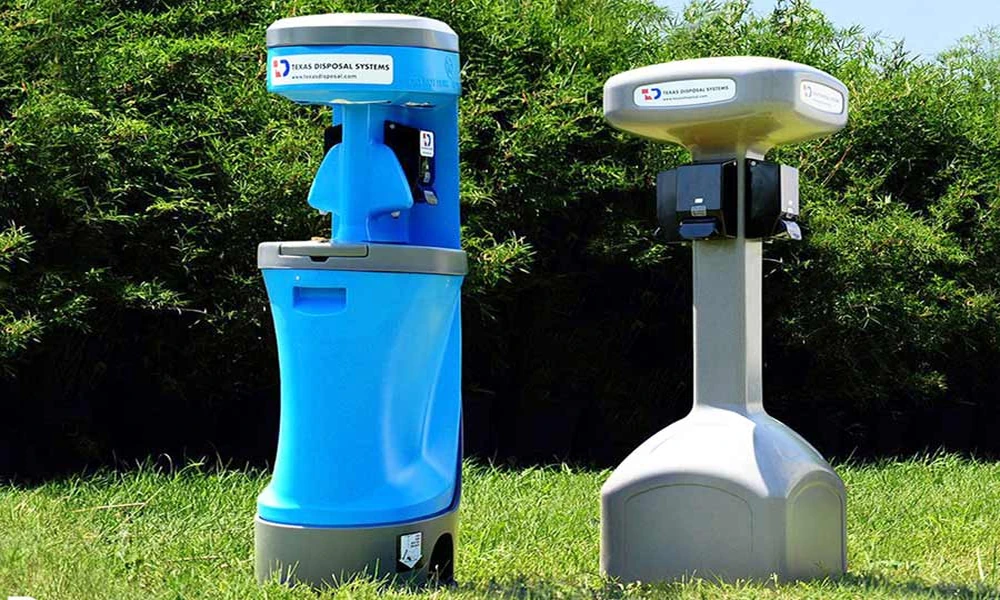
Clean hands reveal far more than personal habits. They reflect workplace priorities, event planning, and everyday responsibility. Temporary locations rarely include permanent plumbing, yet hygiene cannot wait until construction finishes or crowds disappear. Reliable handwashing stations close that gap with practical sanitation where people actually need it. Choosing Supreme Site Services helps organizations maintain cleaner environments while protecting workers, visitors, and daily operations from avoidable health risks.
Temporary Sites Demand Reliable Hygiene Solutions
Construction zones, outdoor gatherings, and emergency response areas create unique sanitation challenges. Dust, equipment, shared tools, and constant movement increase contact with unwanted germs. Easy access to running water changes everyday behavior because convenient facilities encourage regular handwashing without interrupting work.
Simple placement improves real participation.
- Near portable restrooms.
- Close to meal areas.
- Beside busy entrances.
- Around active work zones.
Small location decisions often produce noticeable hygiene improvements throughout an entire site.
Why Does Placement Influence Health Standards?
People rarely search for distant sanitation facilities during busy schedules. Convenient stations remove that barrier before poor habits develop. Workers clean their hands before meals, visitors wash after restroom use, and contractors reduce contamination while handling shared equipment.
Consider a renovation project with dozens of trades arriving daily. Fresh water, soap, and paper towels reduce unnecessary contact between crews while keeping common spaces cleaner throughout each shift.
Routine Servicing Protects Everyday Performance
Installing equipment solves only part of the challenge. Water supplies require replenishment, waste tanks need servicing, and consumables must remain available. Through Supreme Site Services, scheduled maintenance keeps every station ready without creating additional responsibilities for project managers.
Reliable servicing delivers practical advantages.
- Fresh soap remains available.
- Water stays ready.
- Supplies receive timely replacement.
- Units maintain cleaner presentation.
- Downtime remains limited.
Well-maintained facilities encourage confidence because neglected equipment discourages regular use.
Cleaner Facilities Build Professional Confidence
Visitors notice visible hygiene practices before reading safety policies. Inspectors, clients, delivery drivers, and contractors form immediate impressions from everyday site conditions. Clean stations communicate careful planning, while neglected facilities suggest overlooked responsibilities.
A tidy handwashing area reflects broader operational discipline. Yet appearance alone never protects anyone. Reliable sanitation paired with steady maintenance creates healthier environments where workers feel valued and guests experience greater confidence.
Practical Hygiene Creates Lasting Workplace Value
Health standards depend upon consistent everyday choices rather than occasional attention. Accessible handwashing encourages better habits because convenience removes unnecessary obstacles. Strong sanitation planning protects productivity while reinforcing workplace accountability across temporary environments.
Reliable hygiene investments extend beyond compliance. Cleaner equipment, healthier teams, and improved visitor confidence strengthen operational performance long after individual projects finish.
FAQs
How often should rental stations receive maintenance?
Service frequency depends upon visitor numbers, project size, and expected daily usage. High-traffic locations require more frequent attention.
Do handwashing stations improve workplace compliance?
Accessible hygiene facilities help organizations satisfy sanitation expectations while encouraging healthier daily practices.
Can stations move during a project?
Yes. Rental units relocate easily when site layouts change or work progresses into new areas.
Reliable Handwashing Access Defines Safer Temporary Sites
Reliable sanitation succeeds through everyday accessibility rather than expensive infrastructure. Stations placed beside meal areas, portable restrooms, and active work zones encourage habits people actually maintain. Those practical choices strengthen workplace culture, reduce preventable contamination, and leave lasting impressions long before projects reach completion.
