

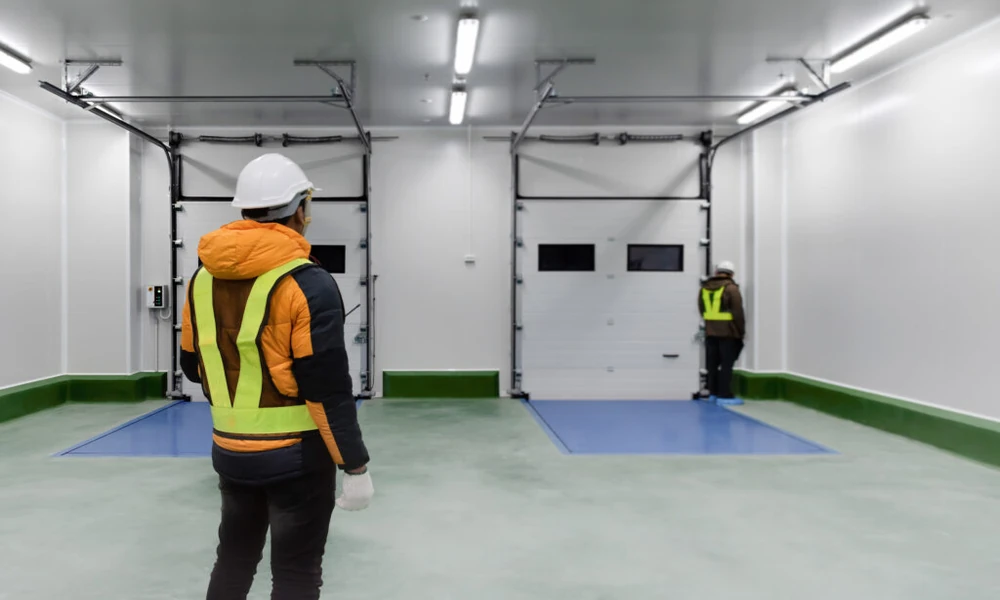
A loading dock can either be the pulse of a smooth-running warehouse or the source of its biggest headaches. Too often, overlooked details turn minor annoyances into safety hazards or costly breakdowns. Staying ahead requires a clear understanding of maintenance challenges and a proactive strategy that goes beyond simple repairs.
Common Challenges in Loading Dock Maintenance
Every busy dock faces a familiar set of issues, but not every facility addresses them before they become real problems. The most frequent headaches stem from constant wear and tear on equipment. Dock levelers, lifts, doors, and safety hooks face repeated stress, often leading to gradual deterioration that is easy to miss until an abrupt failure disrupts operations.
Neglected maintenance directly increases safety risks. A malfunctioning dock leveler or broken retention hook can put workers at risk of slips, falls, or crush injuries. Even minor issues, like misaligned doors or worn bumpers, can result in unexpected downtime. When a loading dock goes offline, the ripple effect hits inventory flow, staff productivity, and delivery schedules, often leading to expensive backlogs.
Key Components Requiring Regular Maintenance
Certain parts of the loading dock demand special attention. Hydraulic, mechanical, and pneumatic dock levelers are central to efficient loading and unloading. If seals leak or springs weaken, reliability drops and safety is compromised. Retention hooks, designed to lock trailers securely, must be checked frequently to ensure they hold loads safely under stress.
Lifts and scissor tables simplify handling heavy loads but rely on smooth operation and precise calibration. Small faults, such as hydraulic fluid leaks or faulty limit switches, can escalate into dangerous situations if ignored. Door mechanisms, whether for garage or pedestrian access, endure thousands of cycles and need periodic lubrication, alignment checks, and seal replacement to prevent breakdowns.
Effective Maintenance Strategies for Loading Docks
A robust maintenance plan starts with routine inspection checklists. These lists should cover every moving part and safety feature, recording wear, damage, and irregularities. Regular inspections, weekly for high-use docks, monthly for lighter operations, catch issues before they become emergencies.
Preventive maintenance is far superior to corrective approaches, both for cost and safety. Scheduled lubrication, cleaning, and adjustments extend equipment life and reduce the frequency of unplanned downtime. Technology can help: sensors and smart monitoring systems can flag early signs of mechanical trouble, letting you schedule repairs on your terms, not in the middle of a shipment rush.
Choosing the Right Equipment and Accessories
Investing in high-quality, compatible dock levelers makes a difference over the long term. Hydraulic and pneumatic systems tend to require less manual intervention and offer smoother operation under heavy loads. It’s equally important to choose robust retention systems that can handle your typical freight and trailer types.
Portable and semi-portable dock lifts, along with scissor tables, bring flexibility to dynamic loading environments. When selected correctly, these tools not only speed up processes but also minimize wear on staff and equipment. Accessories like proper lighting, heavy-duty bumpers, and reliable wheel chocks are not just add-ons, they are critical for safe and efficient dock operations.
Ensuring Safety and Compliance
Maintenance efforts are only as strong as the staff implementing them. Workers need regular training on safe operation, early signs of equipment failure, and emergency stop protocols. Clear safety instructions and visible signage around dock equipment make a real impact on everyday risk reduction.
Meeting industry standards and regulatory compliance is more than a checkbox. It involves documenting maintenance activities, conducting regular audits, and staying updated on the latest safety regulations. A culture of safety, reinforced by ongoing training and clear procedures, leads to fewer accidents and smoother audits.
Partnering with Professional Service Providers
No in-house team can handle every possible scenario. Scheduled repairs and professional inspections by qualified technicians often catch issues that daily users overlook. Service providers bring specialized tools and expertise, ensuring that complex repairs are performed safely and efficiently.
When evaluating service partners, look for responsiveness, transparent pricing, and a proven track record with similar equipment. For urgent needs, timely support is critical. In the event of a sudden breakdown, like a damaged dock door, having an expert ready is invaluable. That’s why resources such as Dor Docteur réparation de porte de quai are trusted by many for timely and professional repairs.
Actionable Steps to Optimize Loading Dock Maintenance
Maximizing dock efficiency starts with a tailored maintenance calendar. Schedule regular inspections and document every check, repair, or upgrade for clear accountability. Data from these records helps spot patterns and informs decisions about future equipment investments.
Consider periodic upgrades when older systems demand constant fixes, modern dock levelers or retention systems can significantly reduce long-term costs. Never underestimate the value of ongoing staff training and regular safety refreshers, which keep everyone vigilant amid changing equipment and workflows.
Proactive maintenance transforms the loading dock from a liability into a competitive advantage. With the right attention to detail, every shipment moves faster, safer, and with less worry.
