

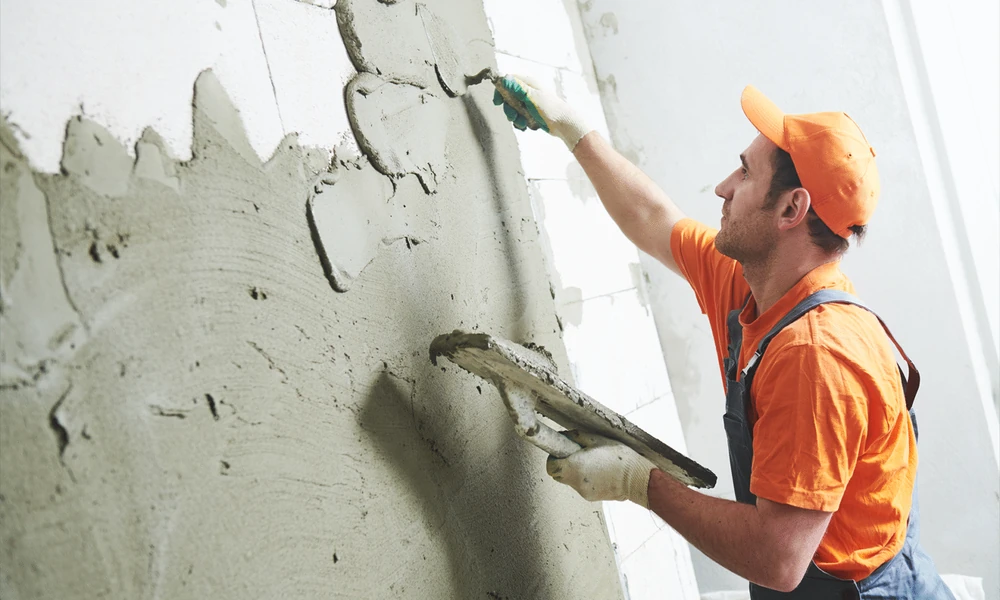
Walls and ceilings play a major role in how a home or commercial space looks and feels. Even small cracks, dents, uneven patches, or damaged plaster can make an otherwise attractive room appear unfinished or poorly maintained. Over time, moisture, age, settling, impact, and previous renovation work can all affect plaster surfaces. When this happens, proper repair becomes important for both appearance and long-term durability.
Professional plaster repair helps restore damaged surfaces so they look clean, smooth, and ready for painting or finishing. Instead of simply covering visible flaws, skilled repair work addresses the damaged area carefully and prepares the surface for a more consistent result. For property owners looking for reliable support with wall and ceiling restoration, BuildRex plaster repair is the kind of service that can help bring damaged interior surfaces back to a more polished condition.
Why Plaster Damage Should Not Be Ignored
Plaster damage may start small, but it can become more noticeable over time. A fine crack may widen, a loose section may begin separating from the wall, or a damaged ceiling area may continue deteriorating if the underlying cause is not addressed.
Ignoring these problems can also affect future decorating work. Paint applied over unstable or uneven plaster may not look smooth and can eventually crack or peel. Wallpaper and other finishes may also highlight defects instead of hiding them.
Repairing plaster before finishing helps create a more stable foundation. It allows the final paint or decorative surface to look more uniform and helps reduce the chance that visible defects will return quickly.
What Commonly Causes Plaster Damage?
Plaster can be damaged for many reasons, and understanding the cause is often an important part of the repair process.
Natural Building Movement
Buildings expand, contract, and settle over time. These movements can create small cracks in walls and ceilings, especially around corners, door frames, windows, and joints.
Moisture Problems
Water leaks, roof issues, plumbing problems, or excess humidity can weaken plaster. Moisture-damaged plaster may become soft, stained, cracked, or loose.
Accidental Impact
Furniture movement, renovations, drilling, or everyday accidents can chip or dent plaster surfaces. These areas may need patching before repainting.
Aging Materials
Older plaster can gradually lose strength. Sections may begin cracking, crumbling, or separating from the underlying structure.
Previous Poor Repairs
Quick patch jobs may leave visible ridges, weak areas, or mismatched textures. Professional repair can help correct these problems and create a more consistent surface.
Why Professional Plaster Repair Produces Better Results
Plaster repair may look simple, but achieving a smooth and durable finish requires experience. Applying filler over a crack without preparing the surface properly may only hide the problem temporarily.
A professional repair usually involves several steps. The damaged section is inspected, loose material is removed, the area is prepared, repair material is applied, and the surface is carefully blended with the surrounding wall or ceiling. Once dry, sanding and finishing help create a smooth transition.
This attention to detail matters because plaster surfaces often show imperfections clearly under paint and lighting. Proper repair helps make the finished result look much more natural and professional.
The Importance of Surface Preparation
Preparation is one of the most important stages of plaster repair. If damaged or unstable material is left in place, the repair may not bond properly. Dust, moisture, loose edges, and weak sections can all reduce the quality of the result.
A well-prepared area gives the repair material a stronger base. This helps improve adhesion and reduces the chance of premature cracking or separation.
Surface preparation also helps with appearance. When the repaired section is level with the surrounding area, paint can be applied more evenly and the patch becomes much less noticeable.
Plaster Repair Before Painting
Many homeowners decide to repair plaster as part of a larger painting project. This is a smart approach because wall preparation has a major impact on how the final paint job looks.
Painting over damaged plaster can make cracks and uneven areas even more visible, especially in rooms with strong natural or artificial light. Fresh paint may improve the color of the room, but it cannot hide structural surface defects.
Repairing the plaster first creates a cleaner base. Once the area is smooth, properly dried, and prepared, primer and paint can produce a much more consistent finish.
This is particularly important when using satin, semi-gloss, or other finishes that may reflect light and highlight imperfections.
Plaster Repair for Ceilings
Ceiling plaster requires special attention because repairs are often more difficult to blend and work overhead. Cracks, water stains, sagging areas, and impact damage can make ceilings look neglected.
Professional repair can help restore the surface while maintaining a consistent appearance across the ceiling. In cases involving moisture damage, the source of the water should be addressed before cosmetic repair begins. Otherwise, staining or deterioration may return.
Once the underlying problem is solved, damaged plaster can be repaired, smoothed, primed, and painted to create a cleaner overall finish.
When Plaster Repair May Be Better Than Full Replacement
Not every damaged wall needs to be completely removed and replaced. In many cases, localized plaster repair is a practical way to preserve the existing surface while correcting specific problems.
Repair may be appropriate when:
- Cracks are limited to certain areas
- Small sections have chipped or broken
- Previous holes need to be patched
- Surface damage is mostly cosmetic
- The surrounding plaster remains stable
More extensive replacement may be needed when large areas are loose, severely moisture-damaged, or no longer structurally sound. A professional assessment can help determine which option makes more sense.
How Plaster Repair Supports Property Value
Interior condition influences how people perceive a property. Cracked walls and damaged ceilings can make a home or commercial space feel older and less cared for. Smooth, properly finished surfaces create a much stronger impression.
For homeowners preparing to sell, plaster repair can improve the visual quality of rooms before listing. For landlords and property managers, repairing damaged surfaces can help units feel cleaner and more move-in ready. Businesses may also benefit because well-maintained interiors contribute to a more professional customer and employee environment.
Small repairs can therefore have a noticeable effect on the overall appearance of the property.
Plaster, Drywall, and Painting Work Often Go Together
Plaster repair is frequently part of a larger interior improvement project. Damaged walls may include areas of plaster, drywall, old patches, or different finishes from previous renovations.
A contractor experienced in plastering, drywall, and painting can help coordinate these tasks so the finished surfaces look more consistent. This can reduce the need to manage several separate trades and may help the project move more smoothly.
For example, a renovation may involve repairing wall damage, replacing a section of drywall, smoothing the surrounding area, and repainting the full room. When these stages are planned together, the final result can look much more cohesive.
What to Look for in a Plaster Repair Contractor
Choosing the right contractor can make a noticeable difference in both the repair process and the finished appearance.
Careful Inspection
The contractor should identify the damaged areas and consider what may have caused the problem.
Proper Preparation
Loose material and unstable surfaces should be addressed before new repair material is applied.
Smooth Finishing
The repaired section should blend naturally with the surrounding wall or ceiling.
Painting Knowledge
Understanding how plaster repair affects primer and paint can help produce a better final result.
Clear Communication
Property owners should understand the scope of work and what is required to achieve a lasting finish.
Why Timely Repairs Can Save Money
Small plaster problems are often easier and less expensive to address before they become larger. A minor crack or damaged patch may require limited work, while widespread deterioration may eventually involve more extensive repairs.
Timely attention also protects surrounding finishes. Moisture or loose plaster can affect paint, trim, flooring, and nearby wall sections if the issue continues.
Regular property maintenance and early repairs can therefore help control costs while preserving the overall appearance of the interior.
Final Thoughts
Professional plaster repair is an important part of maintaining smooth, attractive, and durable interior surfaces. Cracks, chips, water damage, and uneven patches can affect both appearance and the quality of future painting work. Addressing these issues properly helps create a stronger foundation for a clean and polished finish.
Whether the project involves a small wall repair, ceiling restoration, or preparation for a larger painting and renovation project, skilled plaster work can make a major difference. When damaged surfaces are repaired carefully and blended correctly, the entire room can look cleaner, newer, and better maintained.
