

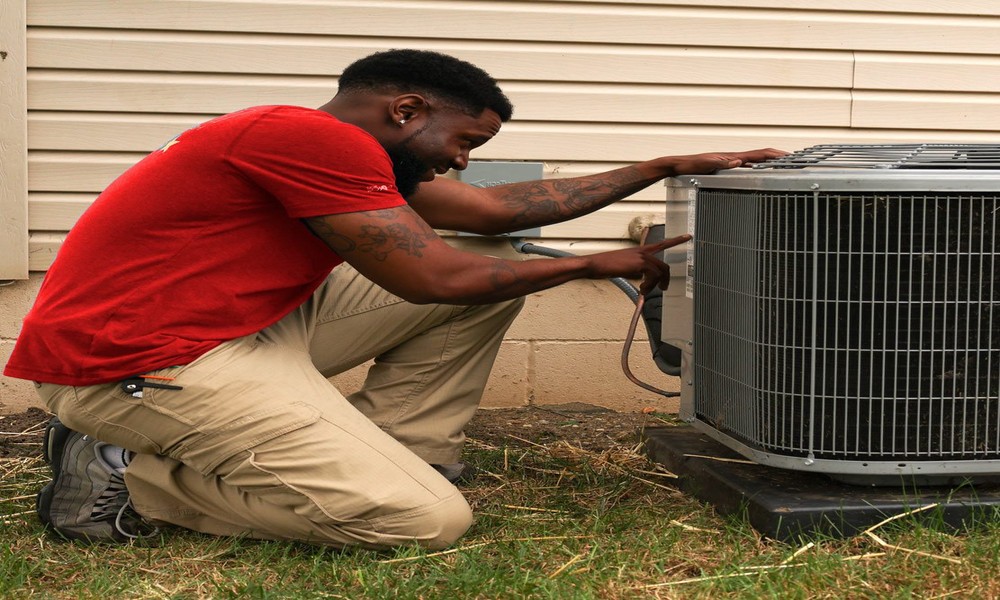
Older homes in Cincinnati sometimes have sturdy construction, detailed interiors, and aging mechanical systems that need careful attention before HVAC replacement. A new system must match the home’s structure, existing airflow setup, and year-round heating and cooling demands. This makes a proper inspection essential before choosing replacement equipment.
Humid summers and cold winters can place heavy strain on older HVAC units. Homeowners searching for AC repair near Cincinnati, Ohio, may notice warning signs such as uneven cooling, rising energy bills, frequent cycling, strange sounds, thermostat issues, or leaks. When those problems return often, replacement may be the more practical decision.
Existing System Condition
The age and condition of the current furnace or air conditioner should be reviewed before replacement. Older units may lose performance when parts wear down, airflow weakens, or repair needs become more frequent. A detailed inspection helps confirm whether the system can still operate safely and efficiently.
Replacement planning should also consider how the current equipment handles seasonal temperature swings in Cincinnati. A system that struggles during peak summer heat or winter cold can create uncomfortable rooms and higher monthly costs. Consistent performance matters more in older homes because aging construction can already make temperature control harder.
Ductwork And Equipment Sizing
Ductwork has a major effect on replacement results in older homes. Leaky, restricted, or poorly sized ducts can prevent a new HVAC system from delivering steady comfort. Proper equipment sizing and duct evaluation help the system move air through the home without unnecessary strain.
Important replacement checks include:
- Inspecting ductwork for leaks, weak connections, and airflow restrictions
- Confirming the new system size matches the home’s layout
- Reviewing thermostat function before installation
- Checking whether uneven heating or cooling points to airflow problems
Home Layout And Comfort Balance
Older homes may have finished attics, room additions, enclosed porches, or multi-level layouts that affect heating and cooling. These spaces can change how conditioned air moves through the house. Replacement planning should account for the full layout instead of only replacing the old unit.
Uneven temperatures sometimes show that the system is not distributing air properly. A professional evaluation can identify whether the issue comes from ductwork, equipment size, thermostat placement, or aging components. This helps the replacement system support steady comfort in the rooms used most.
Repair History And Replacement Timing
Frequent service calls can signal that an older HVAC system is nearing the end of its useful performance. A homeowner looking for AC repair near Cincinnati, Ohio, may need more than a short-term repair when the same issues keep returning. Replacement becomes worth considering when repair costs, comfort problems, and energy waste begin adding up.
Emergency breakdowns are another factor for older homes. A failing air conditioner during humid summer weather or a furnace problem during cold months can affect comfort and safety. Replacing the system before a major failure can help avoid urgent decisions during extreme weather.
Installation Quality And Code Awareness
Installation quality matters because older homes can have structural limits that newer properties do not. The replacement should follow local building expectations, proper equipment setup, and safe installation practices. Skilled HVAC technicians can review the home, explain available options, and provide clear estimates before work begins.
When To Schedule A Professional HVAC Inspection in Cincinnati Before Replacement
An HVAC inspection should be scheduled when an older system begins showing uneven cooling, weak airflow, rising energy costs, or repeated repair issues. Professional evaluations help identify ductwork problems, aging components, and system sizing concerns before replacement starts. This process supports proper installation planning and more dependable indoor comfort throughout seasonal weather conditions here.
HVAC replacement in an older home should be based on system condition, ductwork, equipment sizing, repair history, and seasonal comfort needs. These factors help determine whether a new system can solve persistent heating and cooling issues. With careful planning, older homes can gain dependable indoor comfort without ignoring the details that make replacement successful.
