

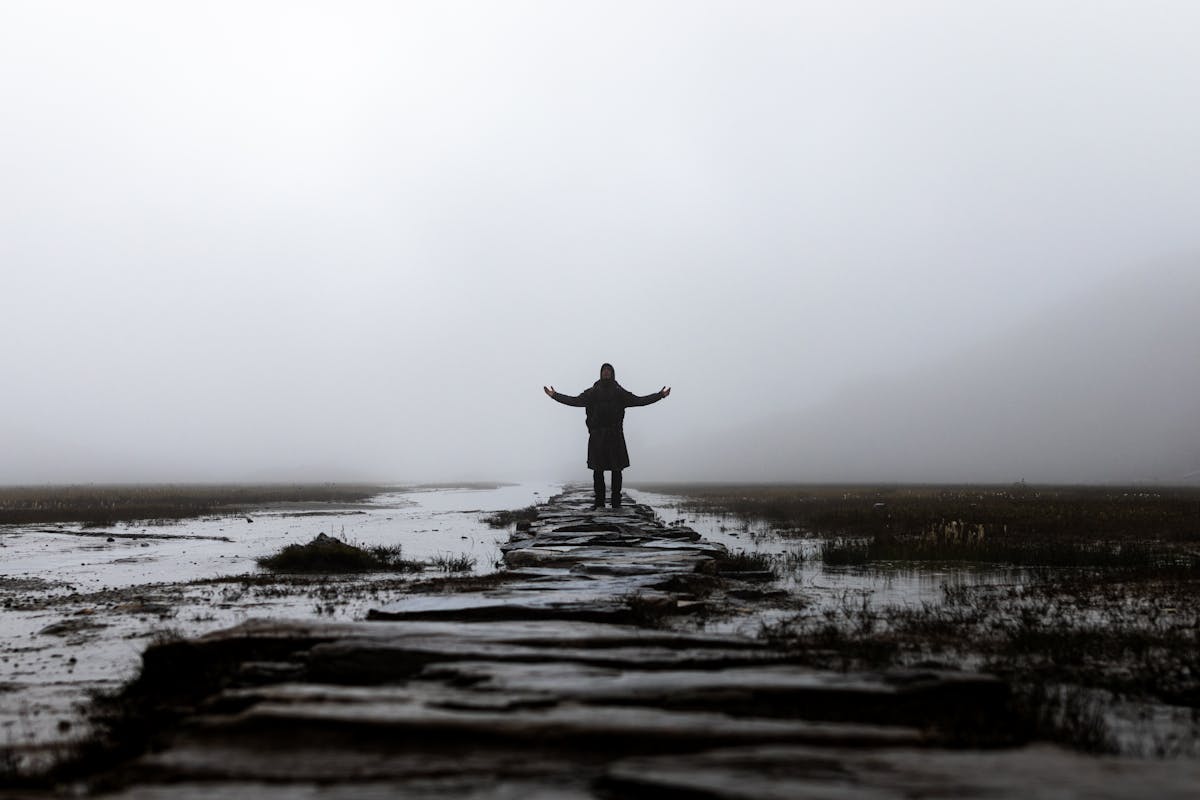
In a world where people constantly seek ways to process emotions, preserve memories, and reconnect with themselves, photography has emerged as a powerful tool for healing and self-expression. More than just a visual art form, photography offers individuals the opportunity to explore their inner world, document their journey, and communicate without words. Whether taken with a professional camera or a smartphone, a photograph can tell a story, capture a feeling, or reflect a perspective that words alone often fail to convey.
The Therapeutic Power of Photography
Photography has long been recognized for its therapeutic potential. For individuals coping with trauma, loss, depression, or anxiety, taking photos can serve as a gentle yet effective form of emotional release. Unlike traditional therapy, which often requires verbal articulation, photography allows people to express complex emotions through images. This can be especially helpful for those who find it difficult to verbalize their feelings or who simply prefer a more introspective approach to healing.
Phototherapy, a practice developed in the field of art therapy, uses personal photos as a medium for reflection and healing. Participants are encouraged to capture images that represent their emotions, memories, or aspirations. These photos can then be used as starting points for discussion, helping individuals process and understand their internal experiences in a non-threatening, creative way.
Reclaiming Control Through the Lens
For many, trauma can create a sense of powerlessness or loss of control. Photography offers a way to reclaim that control—behind the lens, the photographer decides what to focus on, what to exclude, and how to frame the narrative. This ability to choose can be incredibly empowering. It allows the individual to reshape their world and reframe their experiences on their own terms.
Street photography, for example, can help individuals engage with their environment in a mindful and observant manner. Capturing candid moments of daily life forces the photographer to be present, to look closely, and to find beauty in the ordinary. This act of seeing and documenting the world through a personal lens can foster a sense of connection and belonging, which is often diminished in those struggling with mental health challenges.
Photography as a Memory Keeper and Storyteller
Photography also serves as a powerful memory-keeping tool. In times of grief or loss, looking at photos of a loved one can offer comfort and continuity. These images preserve not only faces and places but also the emotions attached to them. They help us hold onto our stories and honor our personal histories.
For individuals on a healing journey, documenting progress through self-portraits or life events can provide perspective and affirmation. Seeing how far they’ve come—whether through physical recovery, emotional growth, or personal achievement—can build confidence and reinforce resilience. Photographs act as visual milestones, anchoring important moments in a person’s journey toward healing.
The Role of Photography in Community Healing
Photography doesn’t just help individuals heal—it can also serve as a tool for collective healing and awareness. Community photography projects, for example, invite participants to share their experiences through a common visual language. These projects often focus on themes like identity, resilience, or social justice, creating a platform for marginalized voices and fostering empathy and dialogue.
Public exhibits of such projects can be transformative for both the creators and the viewers. They provide a shared space for vulnerability, connection, and understanding. In schools, community centers, or therapeutic settings, photography-based initiatives have been used to help young people navigate challenges like bullying, identity, and family trauma.
Even casual setups like a photo booth rental San Diego at a community event can provide a meaningful outlet for creative expression. When people are invited to dress up, pose, and capture a moment with friends or loved ones, it encourages spontaneous joy and often results in photos that reflect genuine happiness and connection. These small interactions can be profoundly uplifting, especially during events focused on healing, remembrance, or togetherness.
Mindfulness and Photography
Photography can also be a deeply meditative practice. When individuals slow down and engage intentionally with their surroundings through the camera lens, they become more present. This mindfulness aspect of photography can help reduce stress, quiet racing thoughts, and bring about a greater sense of calm. Focusing on light, composition, and color shifts attention away from worries and creates space for reflection.
Nature photography, in particular, can deepen this effect. Being in natural environments and photographing elements like trees, water, and wildlife has been shown to have restorative effects on mental health. It combines the benefits of being outdoors with the therapeutic act of creation, making it an ideal practice for anyone seeking emotional balance.
Conclusion
Photography is far more than a means of capturing moments—it is a healing art form that empowers individuals to explore their emotions, tell their stories, and find beauty in the world around them. Whether used in formal therapeutic settings or practiced independently, photography fosters connection, reflection, and personal growth. In an age where mental health is a growing concern, embracing photography as a tool for healing offers a creative and accessible path to well-being. Whether you’re snapping landscapes, documenting your journey, or enjoying a lighthearted moment in a photo booth, every image has the potential to reveal, restore, and inspire.
