

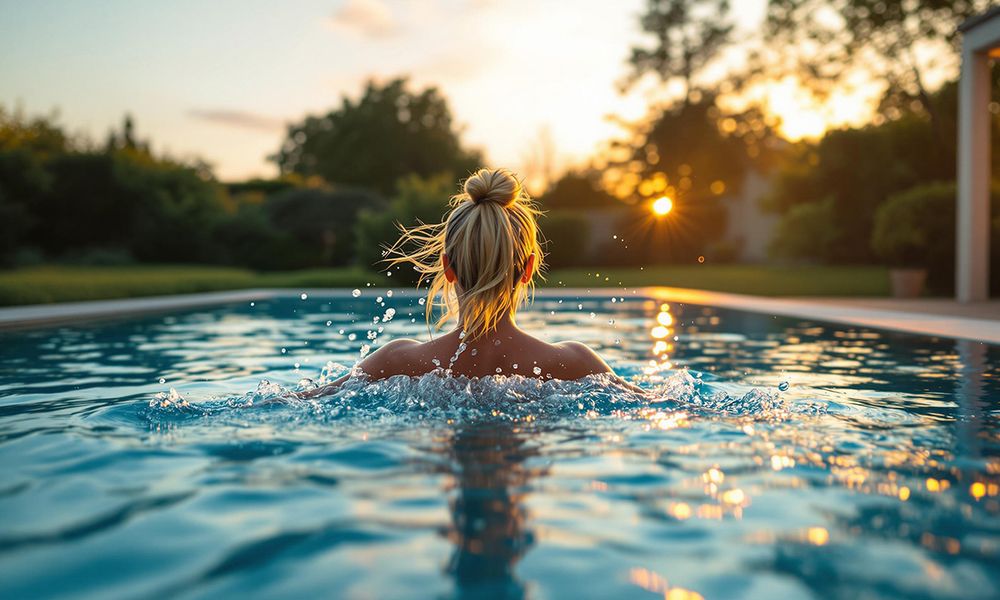
Swimming pools have become a popular feature in many homes, especially in warm regions where outdoor living is part of everyday life. A pool adds comfort, relaxation, and value to a property. It creates a private space for exercise, family time, and social gatherings. Homeowners who invest in pools often see them as long-term lifestyle upgrades rather than luxury additions, especially when considering pools Bundaberg.
A well-designed swimming pool blends with the home’s outdoor area and supports regular use. Proper planning ensures the pool fits the available space, complements landscaping, and meets safety requirements.
Why Swimming Pools Are a Popular Choice?
Swimming pools offer more than just a place to cool down. They support health, well-being, and entertainment.
Health and Lifestyle Benefits
Swimming is a low-impact activity suitable for all ages. It improves fitness, supports joint health, and helps reduce stress. Having a pool at home makes it easier to stay active without visiting public facilities.
Pools also encourage outdoor activity. Families spend more time together, and children benefit from safe, supervised play at home.
Types of Swimming Pools to Consider
There are several pool styles available, each offering different advantages depending on budget, space, and personal preference.
Common options include:
- Concrete pools for flexibility in shape and size
- Fibreglass pools for faster installation
- Above-ground pools for affordability
- Lap pools for fitness-focused users
- Plunge pools for smaller backyards
Choosing the right type depends on how the pool will be used and how it fits into the overall property layout.
Planning for Design and Functionality
Good pool design balances appearance with practicality. Factors such as depth, entry steps, lighting, and surrounding surfaces all affect usability.
In the middle of planning outdoor upgrades, many homeowners explore pools Bundaberg options that suit local climate conditions and backyard layouts. Shaded areas, proper fencing, and durable finishes help ensure long-term enjoyment.
Safety features such as pool barriers, non-slip surfaces, and compliant fencing are essential and should always be included during planning.
Ongoing Maintenance and Care
A swimming pool requires regular care to stay clean and safe. Maintenance includes water testing, cleaning, and equipment checks. Without proper care, water quality can decline and damage pool components.
Routine maintenance helps prevent algae growth, cloudy water, and chemical imbalance. It also extends the lifespan of pumps, filters, and surfaces. Many homeowners schedule regular servicing to reduce effort and avoid unexpected issues.
Pools and Property Value
A well-maintained pool can increase property appeal. Buyers often view pools as valuable lifestyle features, especially in warmer regions. A pool that is designed thoughtfully and maintained well adds to the overall presentation of a home.
Pools that integrate with landscaping and outdoor entertainment areas tend to have the strongest impact on property value. Clean lines, modern finishes, and functional layouts make pools more attractive to future buyers.
Making the Most of Pool Ownership
Owning a pool is about creating an enjoyable outdoor environment. Adding seating, lighting, and shaded areas helps extend pool use beyond daytime swimming.
Simple additions such as outdoor showers or storage for pool equipment also improve convenience. With the right setup, a pool becomes a central feature of outdoor living.
Final Thoughts
Swimming pools offer comfort, health benefits, and lifestyle value. With proper planning, design, and maintenance, they provide years of enjoyment for homeowners and families.
A thoughtfully designed pool enhances outdoor spaces and supports everyday relaxation. Investing time in planning and care ensures swimming pools remain safe, attractive, and enjoyable well into the future.
