

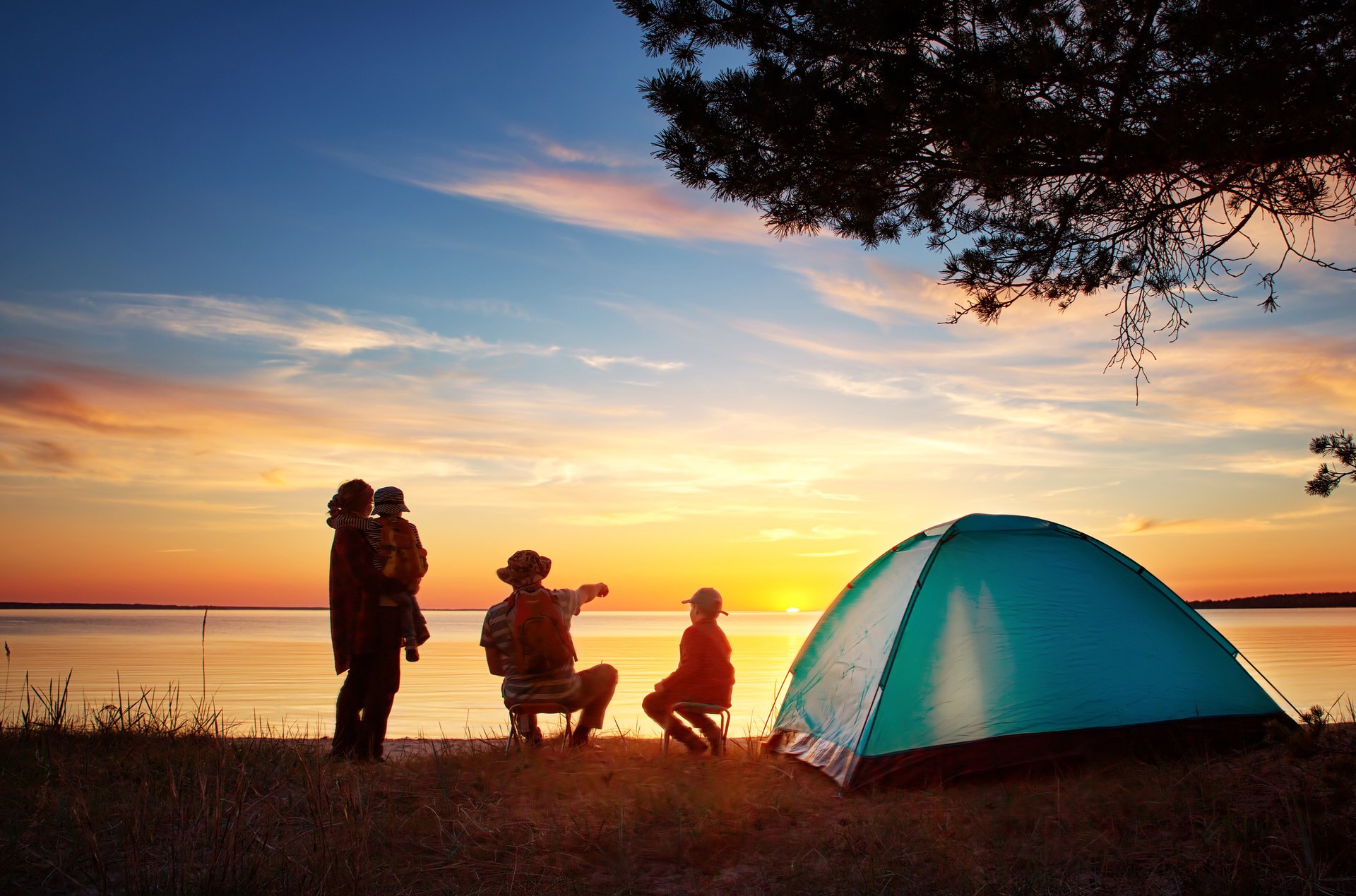
In a world dominated by screens, deadlines, and endless digital noise, the simplicity and serenity of camping offer a much-needed escape. Few experiences compare to waking up to the sound of birdsong, cooking over an open flame, and falling asleep under a sky filled with stars. Camping is not just a recreational activity—it’s a powerful way to restore one’s connection with nature and oneself.
Slowing Down in a Fast-Paced World
Modern life often forces people into a constant state of urgency. Camping offers a stark contrast. Without Wi-Fi, traffic, or a packed calendar, campers are able to slow down and live in the moment. This shift in pace allows for deeper awareness of surroundings, whether it’s the rustling of leaves or the sparkle of dew on a tent flap.
Immersive Natural Experience
Camping places people directly within the environment. Unlike staying in a hotel or even visiting a park for a few hours, camping immerses individuals in nature 24/7. From sunrise to nightfall, each moment is shaped by the natural world. The smell of pine, the warmth of a campfire, and the quiet of a forest at night are all sensory experiences that can’t be replicated elsewhere.
Physical and Mental Health Benefits
Spending time outdoors is linked to numerous health benefits. Exposure to natural light regulates circadian rhythms, improving sleep quality. Activities like hiking, swimming, and even gathering firewood promote physical fitness. Mentally, camping can reduce anxiety, elevate mood, and help with stress management. The absence of digital interruptions gives the brain a break, encouraging mindfulness and relaxation.
Strengthening Relationships
Whether camping with friends, family, or a partner, shared outdoor experiences foster deeper connections. Setting up tents together, cooking meals over the fire, and exploring trails create opportunities for collaboration, communication, and bonding. These shared adventures often translate into lasting memories and stronger personal ties.
Learning and Self-Reliance
Camping naturally encourages problem-solving and adaptability. From navigating trails to dealing with unexpected weather, campers learn to think on their feet. These skills build self-confidence and resilience. Children especially benefit, gaining a sense of independence and a better understanding of the natural world.
Environmental Awareness
Living outdoors, even temporarily, fosters a deeper respect for the environment. Campers become more aware of their impact, whether through managing waste or conserving water. Many leave with a stronger desire to protect natural spaces. The experience highlights the importance of sustainability and responsible outdoor behavior.
Diverse Camping Styles for Every Interest
Camping isn’t a one-size-fits-all activity. There are numerous ways to enjoy the outdoors, from minimalist backpacking to luxury glamping. Some prefer rustic tent sites deep in the forest, while others opt for campgrounds with amenities like showers and picnic areas. Options like cabins, yurts, and treehouses provide unique experiences without sacrificing comfort. One such destination, Au Diable Vert, offers innovative outdoor lodging that blends immersion in nature with creative, eco-friendly design.
Affordable and Accessible Adventure
Compared to other forms of travel, camping is budget-friendly. It requires minimal gear to get started and often involves low-cost or even free campsites. It’s also highly accessible—national parks, regional forests, and private campgrounds provide opportunities for outdoor getaways just a short drive from urban areas.
Conclusion
Camping stands out as one of the most genuine ways to reconnect with nature. It strips away modern distractions, invites people to engage with the natural world, and offers profound mental and physical benefits. Whether it’s a weekend escape or an extended wilderness stay, camping nurtures a sense of peace, appreciation, and renewal that’s hard to find anywhere else.
