

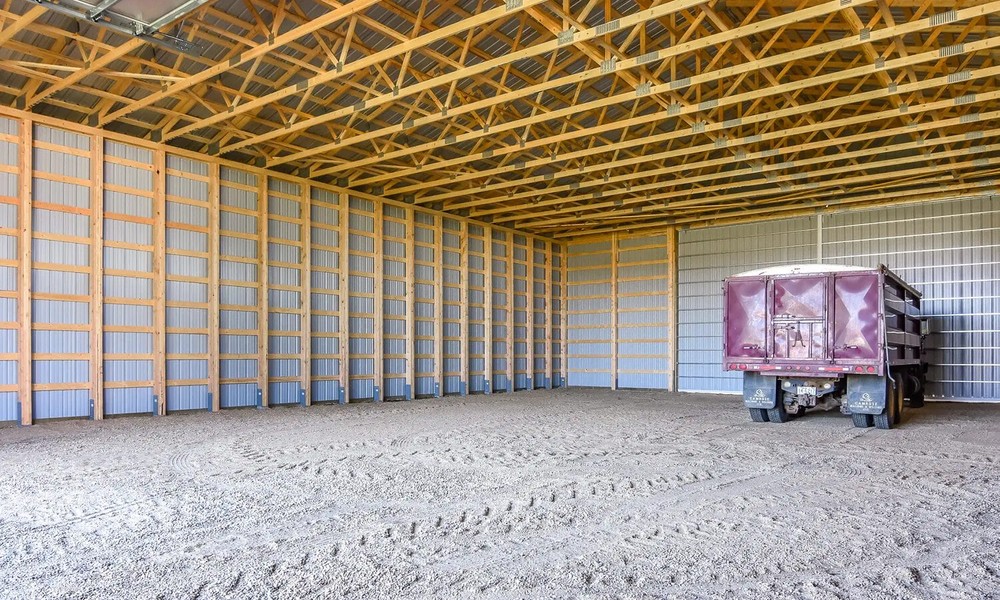
Walk through any industrial park or rural business district, and a new shape starts to stand out. It is the post-frame building, once known mainly for barns and agricultural storage. Today, these structures house retail shops, warehouses, medical clinics, and even schools.
Owners and developers take notice because these steel buildings for businesses offer clear advantages over steel or concrete. This article explores the practical reasons behind the rise of post-frame buildings across different commercial sectors. Readers will discover how this building method saves money, time, and long-term headaches.
A Strong Foundation Built on Cost Savings
Money talks louder than any hammer or nail in commercial construction. Post-frame buildings use less material than traditional wood or steel frame structures because the large posts carry both vertical and horizontal loads. Builders sink these posts deep into the ground, which eliminates the need for a costly continuous concrete foundation. Lumber costs remain predictable and competitive compared to steel, which fluctuates wildly with global markets. A business owner might save thirty to fifty percent on materials alone by choosing post-frame. Those savings then go toward better insulation, nicer finishes, or upgraded equipment inside the building.
Construction Speed That Gets Doors Open Faster
Time equals money, and post-frame construction turns months into weeks. A crew can erect the shell of a post-frame building in half the time required for conventional methods. The posts go directly into the ground, so there is no waiting for concrete footings to cure before framing begins. Contractors schedule interior finishes while the structure takes shape because the wide open floor plan allows multiple trades to work simultaneously. A new business can move in and start generating revenue months earlier than with traditional construction. That speed advantage matters greatly for retailers or manufacturers with seasonal deadlines to meet.
Design Freedom for Unique Commercial Needs
Post-frame buildings offer remarkable flexibility without the high cost of custom steel engineering. The large posts support wide, clear spans up to one hundred feet, with no interior load-bearing walls in the way. An automotive shop can drive trucks right through a roll-up door and park them inside without hitting columns. A church can install a basketball court or a performance stage in the same space without obstruction. Owners add mezzanines, office partitions, or overhead cranes later without major structural changes.
Energy Efficiency That Lowers Monthly Bills
Heating and cooling large commercial spaces drain operating budgets, but post-frame construction fights back. The deep posts allow for thicker wall cavities, often holding ten to twelve inches of continuous insulation. Standard steel buildings struggle with thermal bridging, where metal studs transfer heat straight through the walls. Post-frame walls create a thermal break that keeps winter heat inside and summer heat outside. Owners report energy bills thirty to forty percent lower than comparable steel or masonry buildings. Lower operating costs mean higher profits year after year, which explains why logistics companies and cold storage operators choose post-frame.
Durability That Withstands Weather and Wear
Commercial buildings need to survive storms, snow loads, and decades of daily use. Post-frame construction has proven its strength in tornado-prone regions and heavy snow zones across the country. The laminated posts transfer wind and snow loads directly into the ground, creating a rigid structure that resists racking and uplift. Modern pressure treated posts and corrosion resistant hardware give these buildings fifty year lifespans with minimal maintenance. Many insurance companies offer lower premiums for post-frame buildings because of their track record during extreme weather.
Post-frame buildings have shed their agricultural reputation and earned a place in modern commerce. These steel buildings for businesses save money on materials, go up fast, and adapt to any type of business. Any business owner planning a new commercial space should ask a builder about post-frame options.
