

Understanding Sarcoma: A Brief Overview
Sarcoma is a rare cancer that originates in connective tissues like bone, muscle, and fat. With over 70 types, each with unique traits, diagnosis and treatment can be complex. Sarcomas affect all ages—Ewing sarcoma is more common in children and young adults, while liposarcoma typically affects adults. Symptoms vary based on location and size but may include a lump, pain, or limited function. Because signs can resemble benign conditions, early and accurate diagnosis is essential. Understanding sarcoma’s diverse nature is crucial for effective, personalized treatment and better outcomes for those directly or indirectly affected by the disease.
The Role Of Advanced Imaging In General Medicine And Oncology
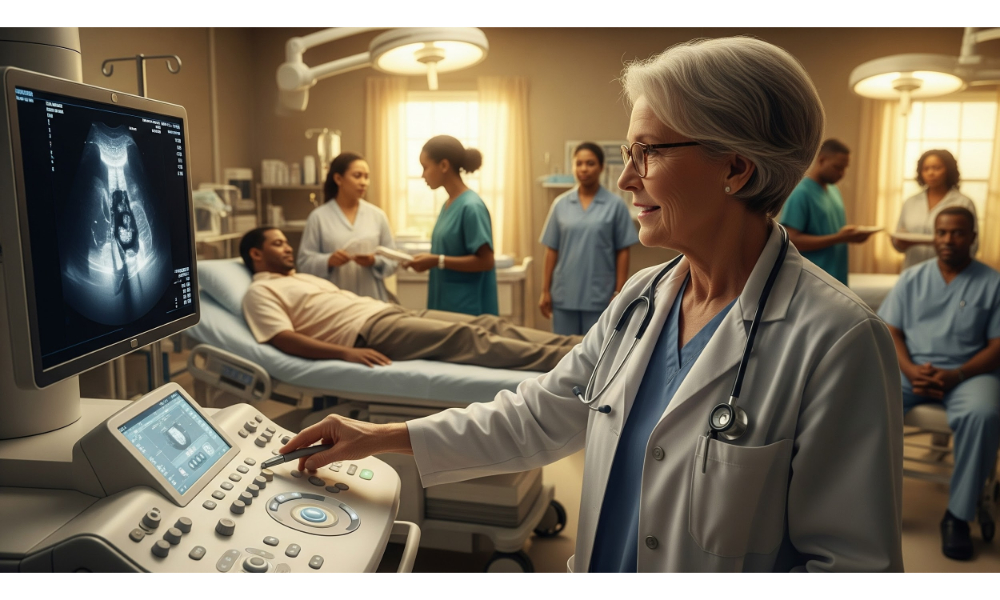
The impact of advanced imaging extends beyond sarcoma treatment, playing a transformative role in both general medicine and oncology. These technologies have revolutionized how diseases are diagnosed and managed, offering insights once unattainable through traditional methods. In oncology, imaging is essential for early detection, staging, and treatment planning.
In general medicine, advanced imaging supports the diagnosis of various conditions, including cardiovascular disease and neurological disorders. A cardiovascular health expert may rely on cardiac MRI, CT angiography, or echocardiography to assess heart function, detect arterial blockages, and guide cardio treatments. These techniques provide precise views of internal structures, aiding clinical decisions and improving patient outcomes across medical fields.
For patients, advanced imaging brings clarity and confidence. Whether facing cancer, a neurological issue, or a heart condition, these technologies provide a detailed understanding of one’s health, empowering informed choices. As you navigate your care, knowing the role of advanced imaging can help you advocate for the best possible treatment.
The Importance Of Accurate Diagnosis In Sarcoma Treatment
Accurate diagnosis is essential for effective sarcoma treatment. With over 70 types, identifying the specific sarcoma is crucial for creating a targeted treatment plan and improving outcomes. Misdiagnosis or delays can lead to ineffective or harmful therapies. Each sarcoma type requires a tailored approach, ranging from surgery to chemotherapy or radiation. A precise diagnosis enables oncologists to select the most appropriate strategy.
Advanced imaging techniques have transformed sarcoma diagnosis and management. These tools go beyond traditional methods, offering detailed insights that aid in diagnosis, guide treatment planning, monitor response, and detect recurrence. Understanding the role of these technologies empowers patients to make informed decisions and take an active role in their care throughout the sarcoma treatment journey.
Traditional Diagnostic Methods: The Role Of Biopsy
Biopsy has long been the gold standard for diagnosing sarcoma, involving tissue extraction from the tumor site for microscopic analysis. While essential, biopsies have limitations, especially in distinguishing complex sarcoma subtypes. They can be invasive and carry risks like infection or bleeding. Tumor size and location may affect biopsy accuracy, sometimes resulting in inconclusive results. Therefore, complementary diagnostic methods are needed. Despite these challenges, biopsies provide vital information on tumor type and grade, guiding treatment decisions. Combined with advanced imaging, biopsy results help create a comprehensive understanding of the patient’s condition for effective management.
The Evolution Of Advanced Imaging In Oncology
Over the past few decades, advancements in imaging have significantly improved the ability to detect, characterize, and monitor tumors with greater accuracy and precision. These developments have transformed cancer care, particularly in the diagnosis and management of sarcoma. As part of this progress in oncology imaging, techniques such as MRI, CT scans, and PET scans have become essential tools throughout the treatment process.
Magnetic Resonance Imaging (MRI) provides detailed images of soft tissues and is especially useful in evaluating the extent of a sarcoma within the body. Its ability to distinguish between different tissue types makes it an important tool for understanding the tumor’s characteristics. Computed Tomography (CT) scans offer a broader view of internal structures and are often used to assess whether the cancer has spread to the lungs or other areas.
Positron Emission Tomography (PET) scans, frequently combined with CT, offer functional imaging that highlights areas of increased metabolic activity, often indicating malignancy. These imaging methods not only support initial diagnosis but also play a key role in planning surgery, evaluating treatment response, and monitoring for recurrence. Altogether, they reflect how integrated imaging continues to shape and support effective care for patients with sarcoma.
Differentiating Between Sarcoma Types With Advanced Scans
Distinguishing sarcoma types is vital for tailored treatment. Advanced imaging offers non-invasive ways to improve diagnostic accuracy. MRI excels at assessing soft-tissue sarcomas, detailing tumor size, location, and relation to nearby structures, aiding surgical planning. CT scans are key for evaluating bone sarcomas like osteosarcoma, showing bone structure and metastasis. PET scans reveal areas of high glucose uptake, indicating aggressive tumors and helping differentiate benign from malignant lesions. By combining MRI, CT, and PET, oncologists gain a comprehensive view, enabling more accurate diagnoses and personalized treatment strategies.
Ewing Sarcoma: Diagnosis And Treatment Approaches
Ewing sarcoma is a rare and aggressive bone cancer primarily affecting children and young adults. Accurate diagnosis is essential because it can spread rapidly to other body parts. Advanced imaging plays a vital role in diagnosing and managing Ewing sarcoma, guiding effective treatment plans. MRI is usually the preferred method to evaluate the primary tumor, offering detailed views of soft tissue and bone marrow involvement. CT scans are used to check for common lung metastases, while PET scans assess tumor metabolic activity and detect distant metastasis.
Treatment involves a multimodal approach including surgery, chemotherapy, and radiation. Imaging supports every stage—from diagnosis through treatment monitoring and recurrence detection—ensuring care is personalized and effective for each patient.
How Advanced Imaging Improves Ewing Sarcoma Treatment Plans
Advanced imaging technologies play a pivotal role in developing effective Ewing sarcoma treatment plans. By delivering detailed images of the tumor and surrounding tissues, these modalities—such as MRI and PET scans—enable oncologists to create precise surgical strategies that minimize complications and enhance surgical outcomes.
In the context of chemotherapy and radiation therapy, imaging is essential for monitoring treatment effectiveness. MRI and PET scans are particularly valuable for assessing tumor response, as they allow clinicians to track changes in tumor size and metabolic activity. This real-time feedback enables oncologists to adapt Ewing sarcoma treatment plans as needed, ensuring each patient receives the most targeted and effective therapy. Such adaptability is crucial for improving recovery rates and reducing potential side effects.
Moreover, advanced imaging is integral to post-treatment surveillance. Regular imaging helps detect early signs of recurrence, allowing for timely interventions—an especially important consideration given the aggressive nature and high recurrence risk associated with Ewing sarcoma. By incorporating advanced imaging throughout all stages of care, from diagnosis to follow-up, oncologists can offer more informed, responsive, and comprehensive treatment plans for individuals battling Ewing sarcoma.
Future Trends In Sarcoma Diagnosis And Treatment
The future of sarcoma diagnosis and treatment is promising, with ongoing research and technological advances leading to more precise strategies. Emerging imaging techniques like functional MRI and molecular imaging are enhancing diagnostic accuracy and treatment planning. Functional MRI provides insights into tumor physiology, helping to understand its behavior and treatment response. Molecular imaging targets specific cellular processes, allowing earlier detection and more focused therapies. These innovations are expected to improve patient outcomes and reduce treatment burdens.
As these technologies develop, they will become vital to personalized sarcoma care. Staying informed about these advances empowers patients to discuss the latest and most effective treatment options with their healthcare team.
Conclusion: The Impact Of Advanced Imaging On Sarcoma Management
Advanced imaging has transformed the landscape of sarcoma management, offering unprecedented insights into the diagnosis, treatment, and monitoring of this complex group of cancers. By providing detailed images of the tumor and its surroundings, these technologies enhance the accuracy of diagnosis and enable the development of personalized treatment plans that are tailored to the unique needs of each patient.
For individuals affected by sarcoma, understanding the role of advanced imaging is crucial for navigating their treatment journey. By empowering patients with knowledge about these technologies, you can make informed decisions about your healthcare and advocate for the most effective treatment strategies. As you explore your options, consider the benefits of advanced imaging in achieving the best possible outcomes.
If you or a loved one is facing a sarcoma diagnosis, take the time to learn about the diagnostic journey using advanced body and bone imaging tools. Knowledge is power, and by understanding the role of these technologies, you can take an active role in your healthcare decisions. Reach out to your medical team to discuss how advanced imaging can be integrated into your treatment plan, ensuring that you receive the most comprehensive and effective care available.
