

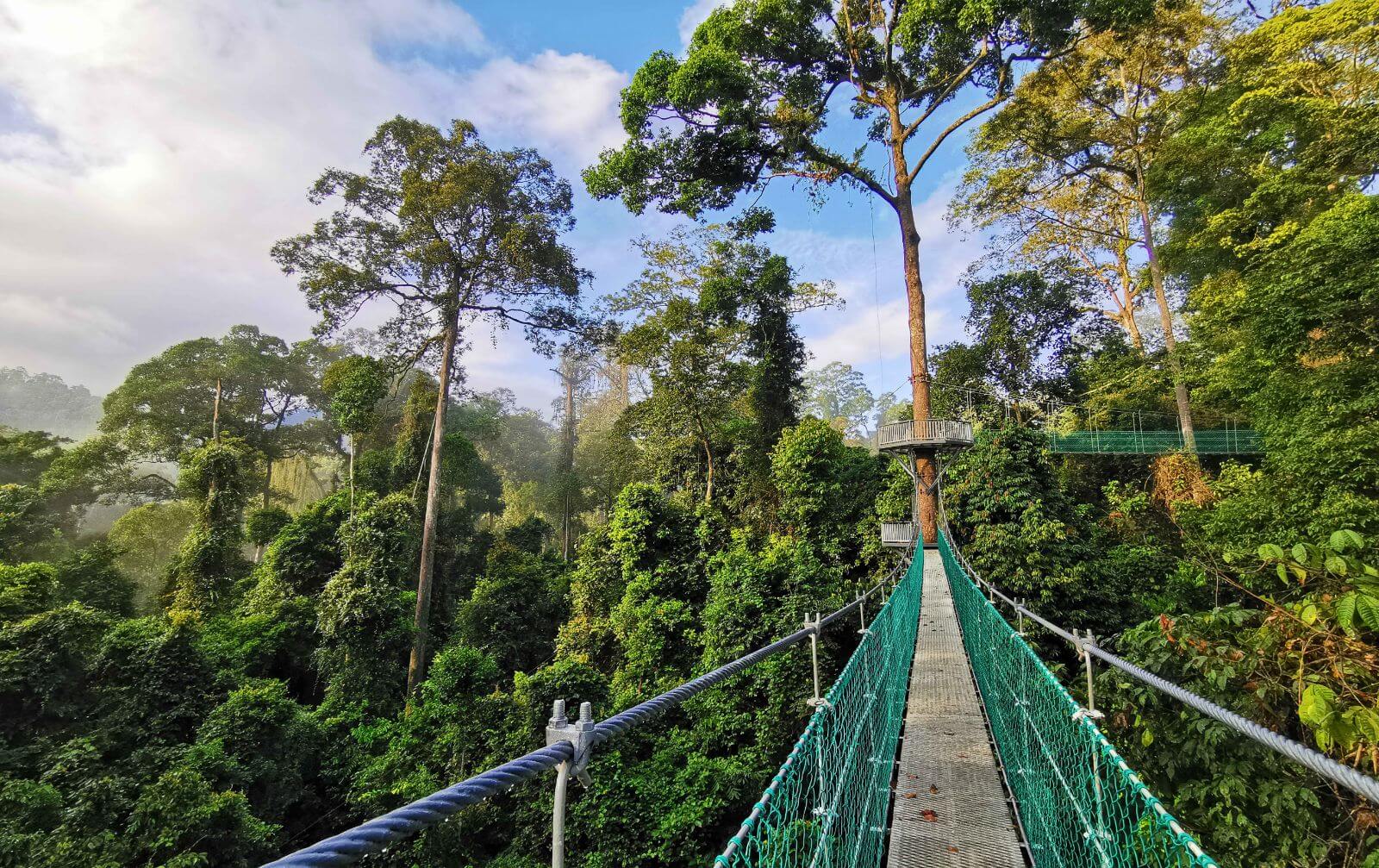
Deep within the Malaysian state of Sabah on the island of Borneo lies the Danum Valley Conservation Area, a vast expanse of ancient, undisturbed rainforest. Spanning 438 square kilometres, this protected area is a sanctuary for some of the world’s most incredible biodiversity. This guide will walk you through what makes Danum Valley a crucial site for conservation and a remarkable destination for nature enthusiasts.
A Global Biodiversity Hotspot
Danum Valley is home to a staggering array of life. Its lowland dipterocarp forest, which has stood for millions of years, provides a habitat for countless species of plants and animals. The flora is as diverse as it is impressive, with towering trees forming a dense canopy that shelters a rich undergrowth of ferns, orchids, and other tropical plants.
The fauna here is equally remarkable. The valley is one of the last remaining strongholds for many rare and endangered species. It’s home to the Bornean orangutan, pygmy elephant, clouded leopard, and the elusive Sunda pangolin. The area also boasts an incredible diversity of birdlife, with over 300 species recorded, making it a premier destination for birdwatchers. Other residents include sun bears, various species of deer, and a multitude of primates and reptiles.
Activities and Experiences
Danum Valley offers a range of activities that allow you to immerse yourself in the ancient rainforest. Guided jungle trekking is one of the most popular ways to experience the environment. Trails of varying difficulty lead you through the forest, offering chances to spot wildlife and learn about the intricate ecosystem from experienced local guides. The canopy walkway provides a different perspective, taking you high above the forest floor for spectacular views and opportunities to see arboreal creatures.
Bird watching is another major draw. With species like the Bornean bristlehead and several types of hornbills, pitas, and kingfishers, enthusiasts can spend days searching for new sightings. As darkness falls, the forest transforms. A guided night safari offers a chance to see the nocturnal animals that emerge after sunset. Using spotlights, guides can help you spot civets, flying squirrels, and perhaps even a slow loris or a leopard cat.
Conservation Efforts
The preservation of this pristine wilderness is paramount. The Danum Valley Field Centre, a world-class research facility, is at the forefront of these efforts. Scientists from around the globe conduct studies on forest ecology, climate change, and biodiversity. Their work provides valuable data that informs conservation strategies not just for Danum Valley but for rainforests worldwide.
Sustainable tourism plays a vital role in funding these conservation initiatives. The revenue generated from visitors helps support the research, patrolling, and protection of the area. By choosing to visit, you directly contribute to the long-term survival of this irreplaceable ecosystem. The limited and carefully managed tourism ensures that the human impact on the environment is kept to a minimum.
Planning Your Visit
To make the most of your trip, some planning is necessary. The best time to visit Danum Valley is during the drier season, which typically runs from March to September. During this period, rainfall is less frequent, making trekking more manageable and wildlife sightings more likely.
Accommodation within the conservation area is limited to preserve its integrity. The primary options are the Borneo Rainforest Lodge, which offers comfortable lodging, and the Danum Valley Field Centre, which provides more basic facilities for researchers and educational groups. It’s essential to book your stay well in advance, especially during peak season. When packing, include lightweight, quick-drying clothing, sturdy hiking boots, insect repellent, a raincoat, and a pair of binoculars to enhance your wildlife viewing experience.
A Legacy to Protect
Danum Valley is more than just a destination; it’s a living laboratory and a vital sanctuary for countless species. It stands as a powerful reminder of the beauty and importance of our planet’s natural heritage. Visiting this remarkable place offers a profound connection to the natural world and a chance to support the crucial work being done to protect it for future generations.
