

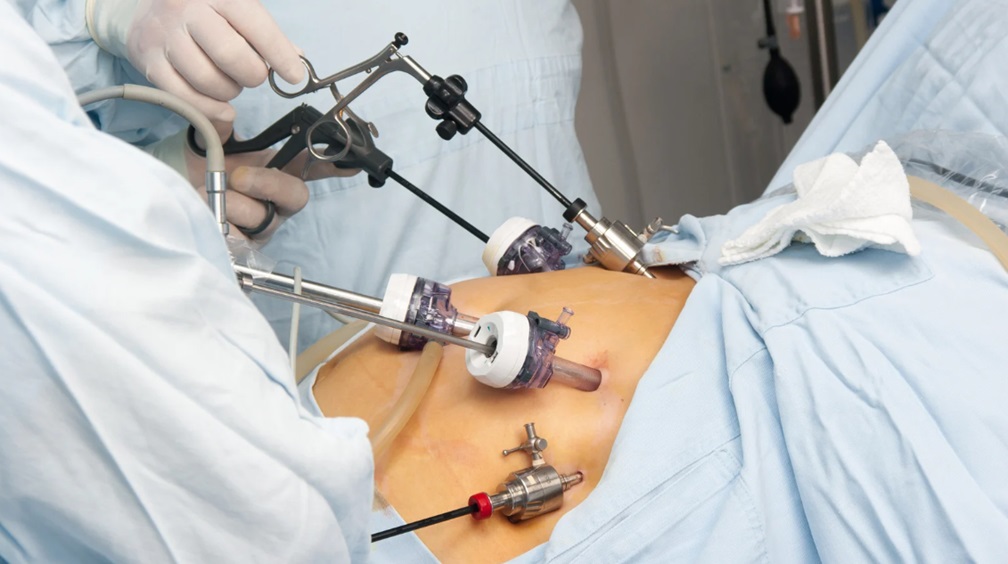
Considering gastric sleeve surgery in Tijuana often centers on weight loss, but its effects on blood sugar regulation can be equally transformative. Many candidates find that reducing stomach volume triggers metabolic changes well before significant weight loss occurs. This article explores the physiological mechanisms, clinical outcomes, and long-term benefits of sleeve gastrectomy for managing type 2 diabetes.
Before Surgery: Understanding Insulin Resistance
Type 2 diabetes arises when the body’s cells resist insulin, causing elevated blood glucose levels. Excess adipose tissue exacerbates this resistance. Traditional management—diet, exercise, and medication—can control glucose but may not halt progressive pancreatic dysfunction. Recognizing these limitations, many patients investigate surgical options as the best treatment for type 2 diabetes that address both weight and hormonal pathways.
Immediate Metabolic Changes After Surgery
Within days of gastric sleeve surgery, patients often see marked reductions in fasting blood sugar and decreased insulin requirements. This rapid improvement stems from:
- Hormonal Shifts: Removing a portion of the stomach lowers ghrelin production, reducing appetite and improving insulin sensitivity.
- Gut-Brain Axis Modulation: Altered nutrient flow triggers beneficial changes in incretin hormones, such as GLP-1, which enhance insulin secretion.
These effects can precede significant weight loss, suggesting that the surgery’s metabolic impact is not solely due to shrinking fat stores.
Sustained Glycemic Control Through Weight Loss
As weight steadily declines over the following months, additional benefits emerge:
- Reduced Insulin Resistance: Shrinking visceral fat improves cellular glucose uptake.
- Lowered Inflammation: Adipose tissue produces inflammatory cytokines; losing fat mass decreases systemic inflammation, further enhancing insulin action.
- Cardiovascular Risk Reduction: Better glycemic control lowers the risk of heart disease and stroke, common complications of diabetes.
Research into how gastric sleeve surgery can improve type 2 diabetes supports these outcomes, showing that many patients achieve remission or a significant reduction in medication dependency.
Long-Term Outcomes and Monitoring
While the initial improvements are dramatic, long-term success relies on comprehensive aftercare. Regular follow-up appointments allow the care team to:
- Monitor micronutrient levels and adjust supplements as needed.
- Track weight trends to prevent regain.
- Offer ongoing nutritional guidance to reinforce the healthy eating habits.
Patients who adhere to post-operative protocols demonstrate higher rates of sustained remission and reduced complications.
Selecting the Right Care Team
Optimal outcomes depend on choosing a skilled multidisciplinary team experienced in bariatric and metabolic surgery. Key qualities include:
- Expertise in minimally invasive laparoscopic techniques.
- Coordination with endocrinologists, dietitians, and behavioral health specialists.
- Commitment to personalized patient education and support.
This collaborative approach ensures both the technical success of the procedure and the patient’s ability to maintain lifestyle changes.
Conclusion
Gastric sleeve surgery in Tijuana offers more than a smaller stomach—it initiates rapid hormonal and metabolic shifts that can dramatically improve type 2 diabetes. From early reductions in insulin requirements to long-term remission, patients benefit through a combination of weight loss, hormone modulation, and lifestyle transformation. By partnering with an experienced multidisciplinary team, individuals can leverage the full potential of this procedure to achieve lasting glycemic control and enhanced quality of life.
